[A manifest]
The city of the future develops as organisms of everyday life, housing, institutions, social communities, production, energy supply and climate adaption. It emerges as a result of collaborations and negotiations about dreams and realities. It is an interweaving of cultural and productive landscapes, of nature and culture. The new city grows in-between the buildings of the old city. The new city weaves itself in, filling faps and creating new pockets where needed. Where there is a need for new constructions or additions to existing buildings, this is done gradually and in small operations.
Citizens themselves have a direct influence on housing construction in the city. The municipality makes plots of land available on reasonable terms to citizens who in collaboration initiate, design and finance the construction of their own homes and communities. The result is a distinctive architecture, increased entrepreneurship among small players in the building industry and engaged citizens. Housing will become increasingly sustainable because citizens are willing to live on less square meter per person when they have access to good community facilities. And more sustainable in social, economic technical and climatic terms, because citizens are openminded, ambitious and willing to going beyond standardized construction, to create climate-friendly homes for new family forms.
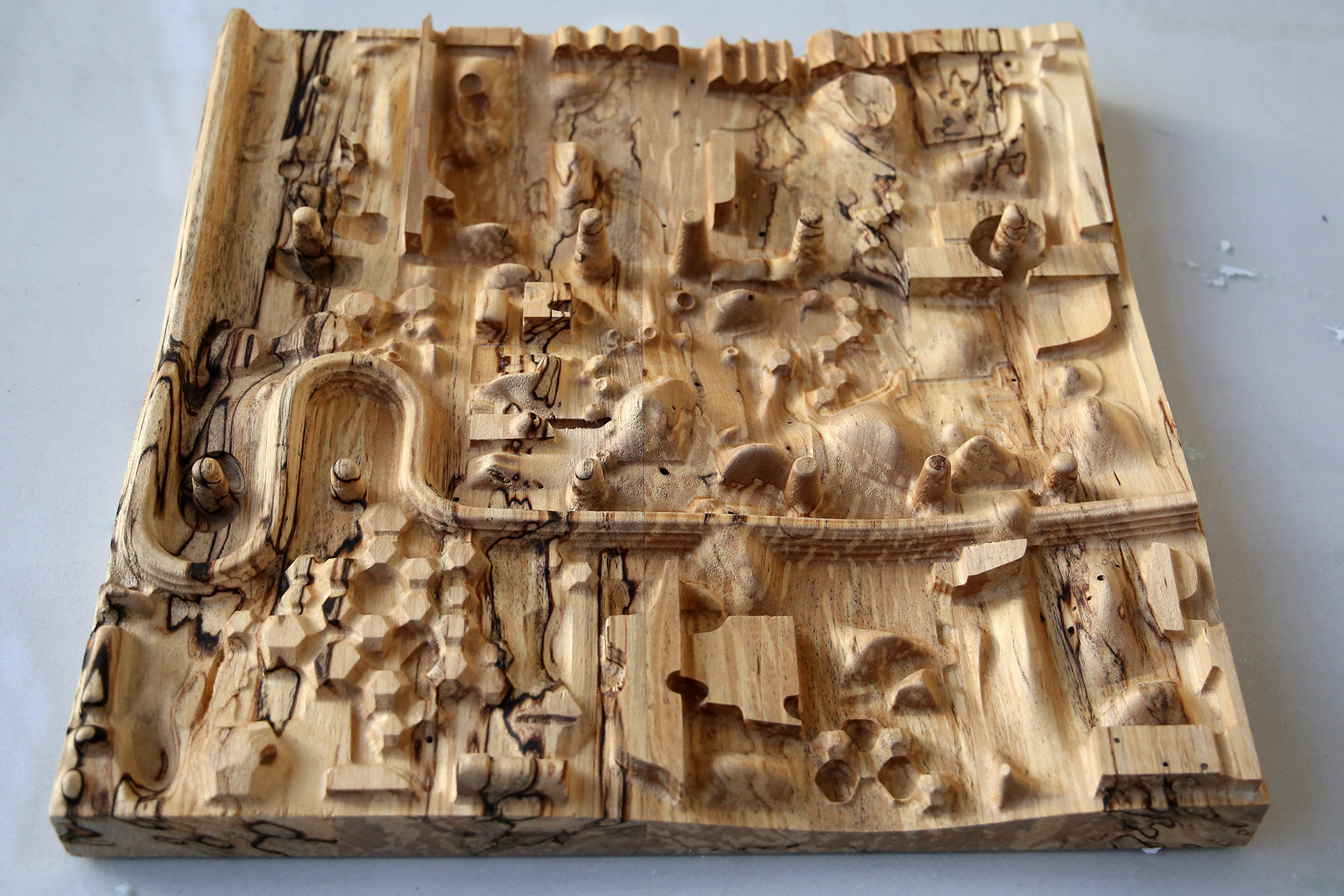
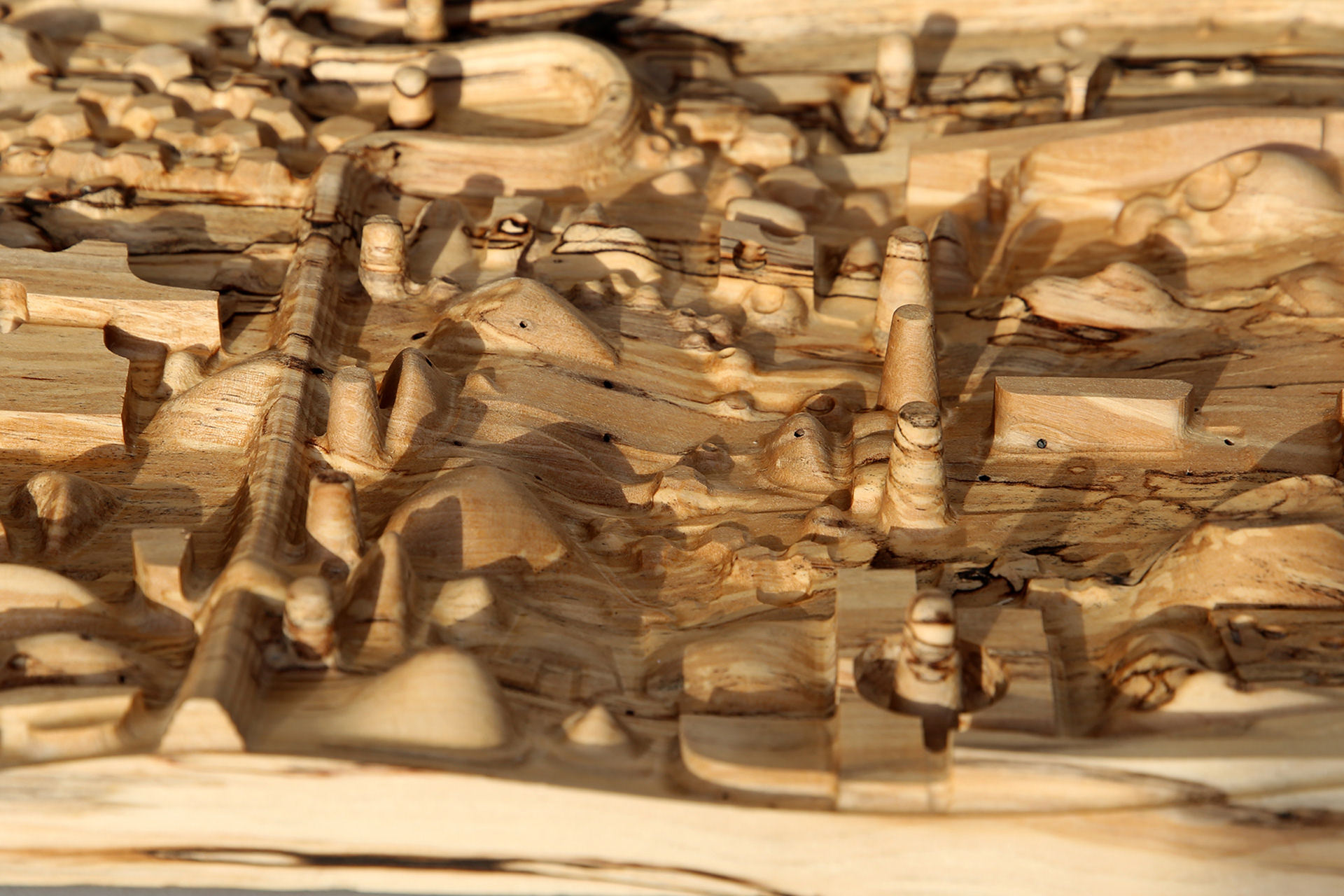
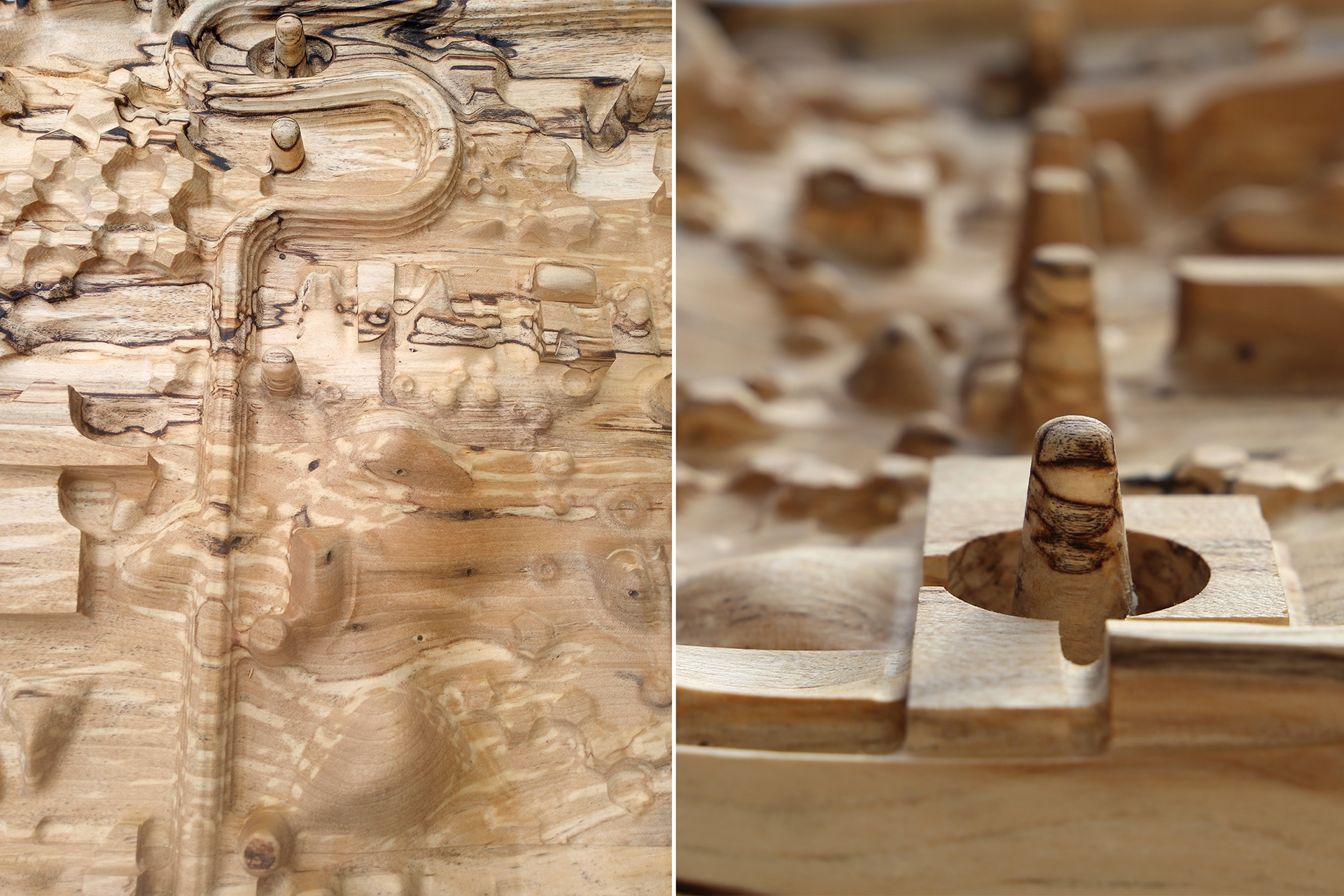
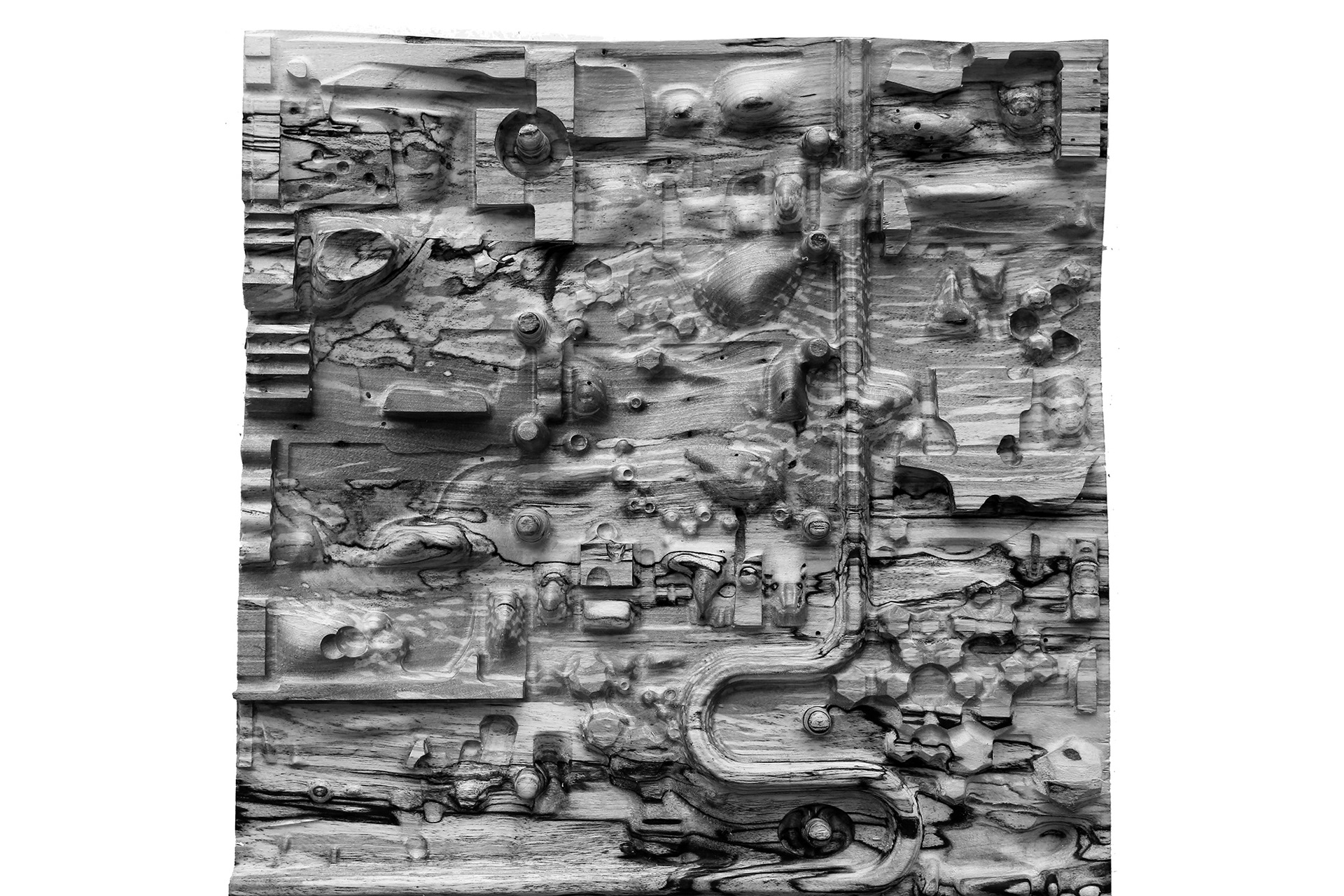
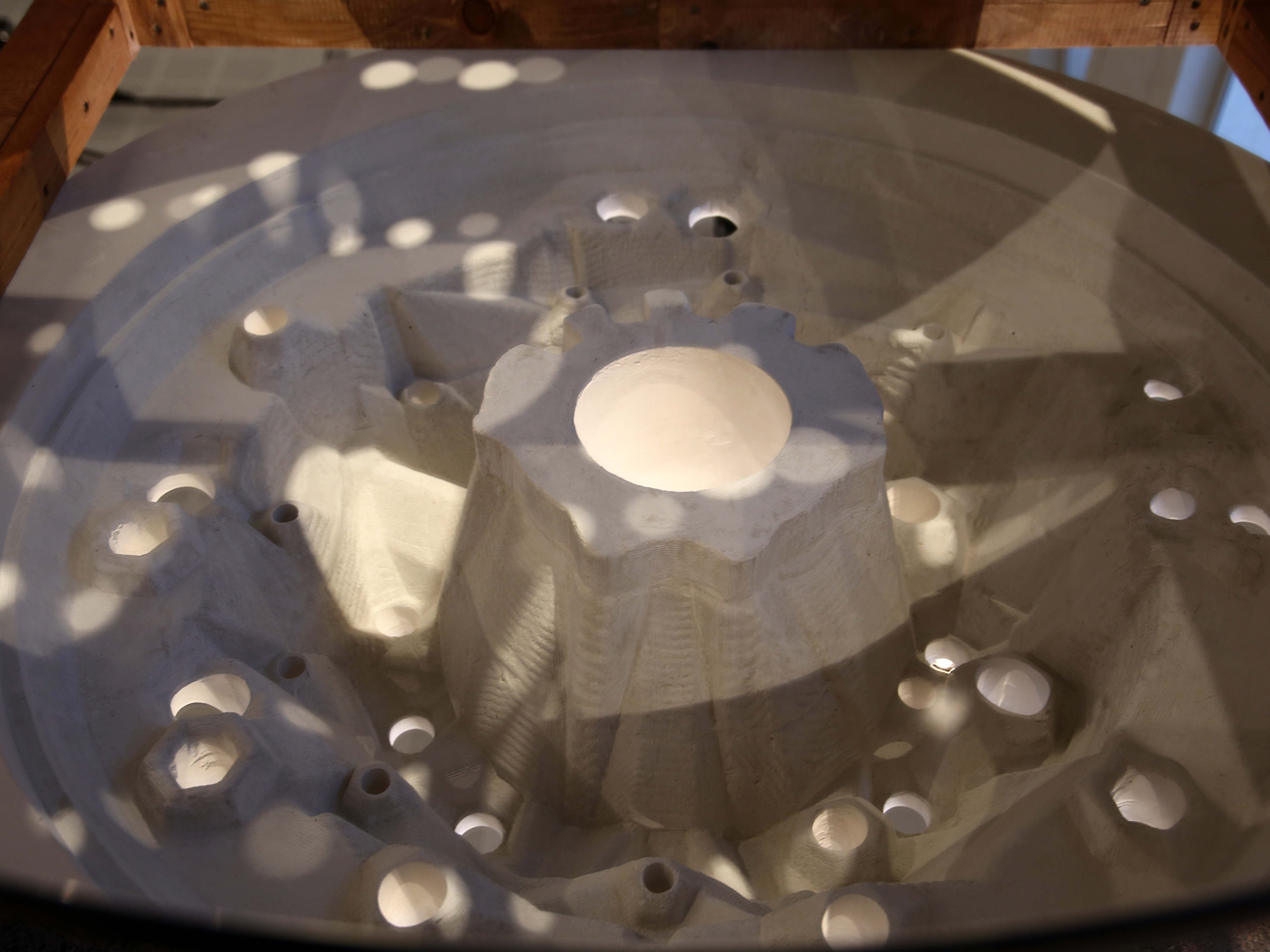
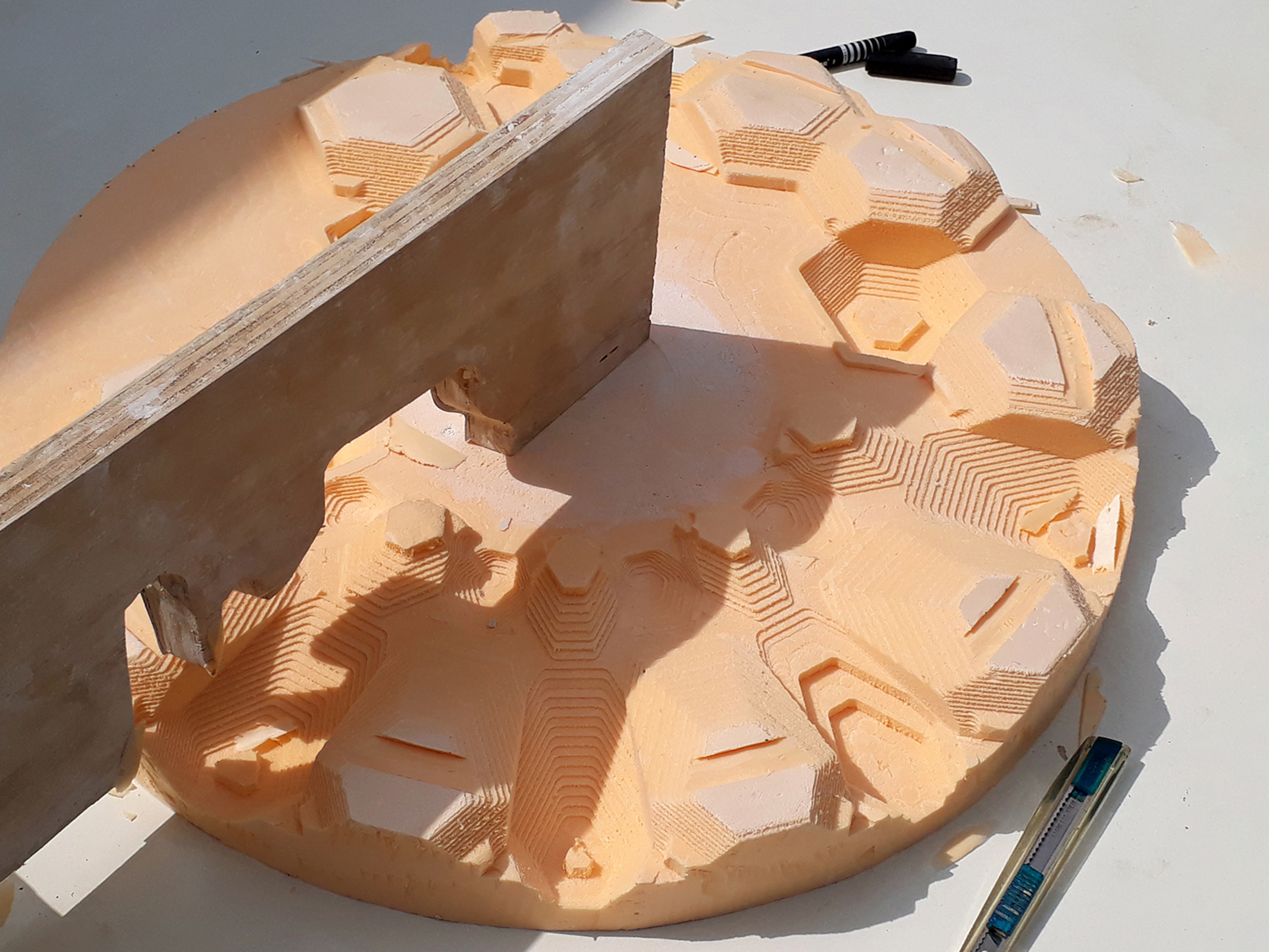
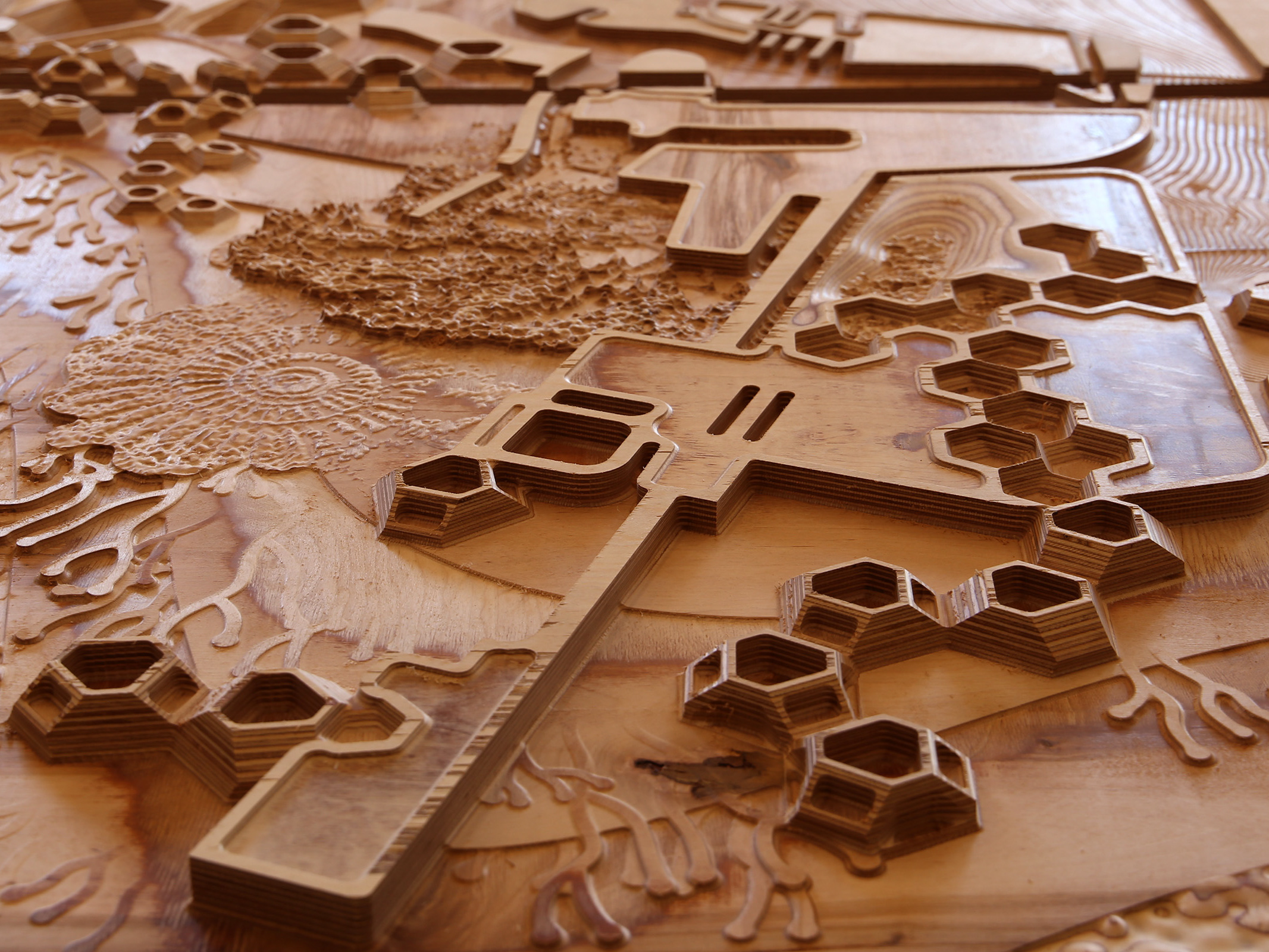
The model of the city of the future is made from waste wood – linden wood, fungus ridden and there for unusable in conventional contexts – but it has been worked on with a great deal of craftmanship and detail. In the same way, the city of the future will make room for an alternative economy where citizens, using craftmanship and urge to create, can make much from little, experiment with new materials and rediscover that our physical environment – objects, spaces, and architecture – can be produced locally rather than transported from the Far East.
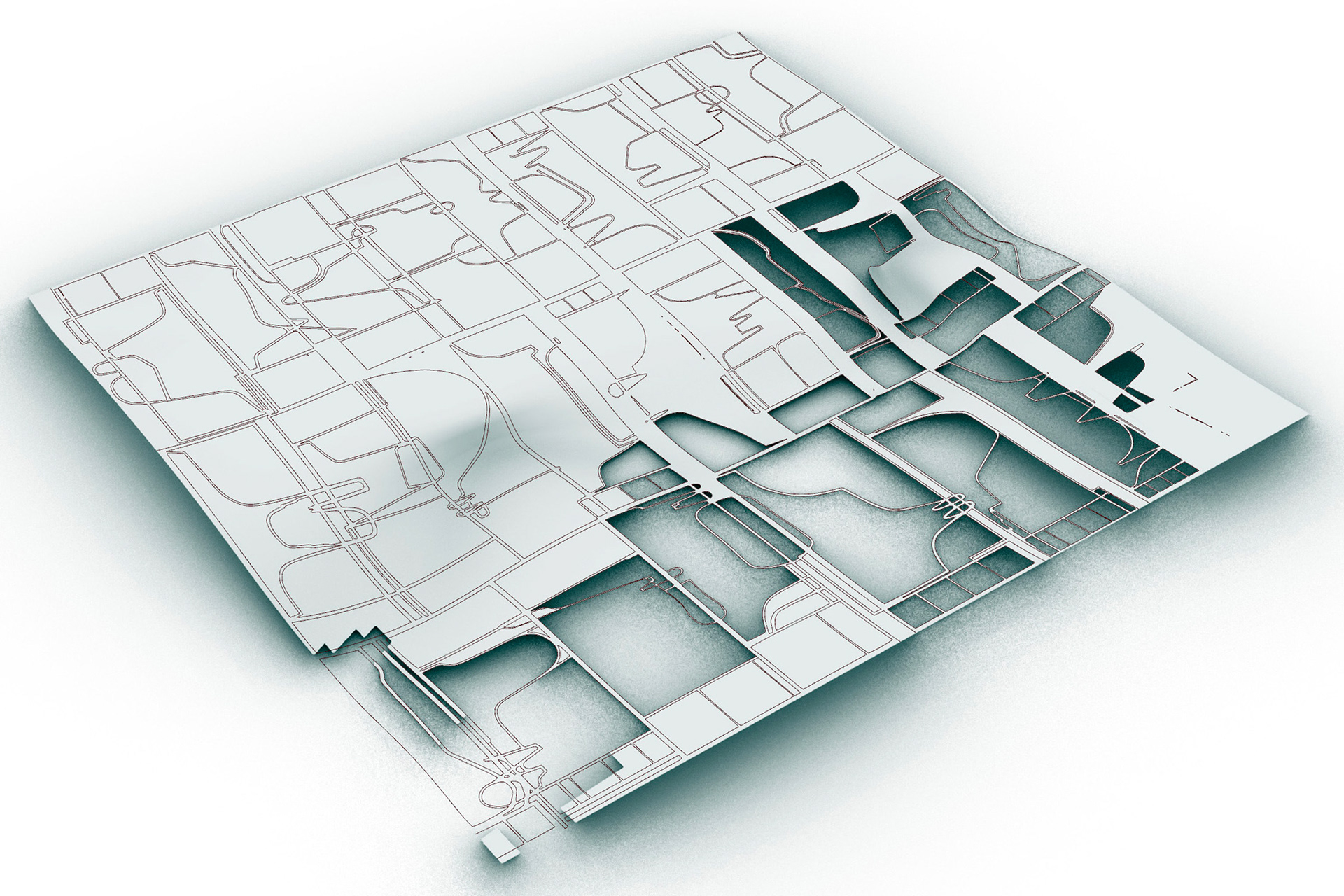
The city is neither wet nor dry but has ragged edges and cavities that can absorb large quantities of water when necessary. The city is dynamic and changes over time. It consists of both planned and chaotic conditions. Beneath the city, a grid of supply exists. It is a combination of new inventions and experiments, pragmatic solutions, and relics of the urban planning of previous times. On top of and in between this grid, landscapes and clusters of new settlements emerge. The city of the future consists of both smaller units that operate dynamically in relation to each other and larger structures that connect the different parts of the city.
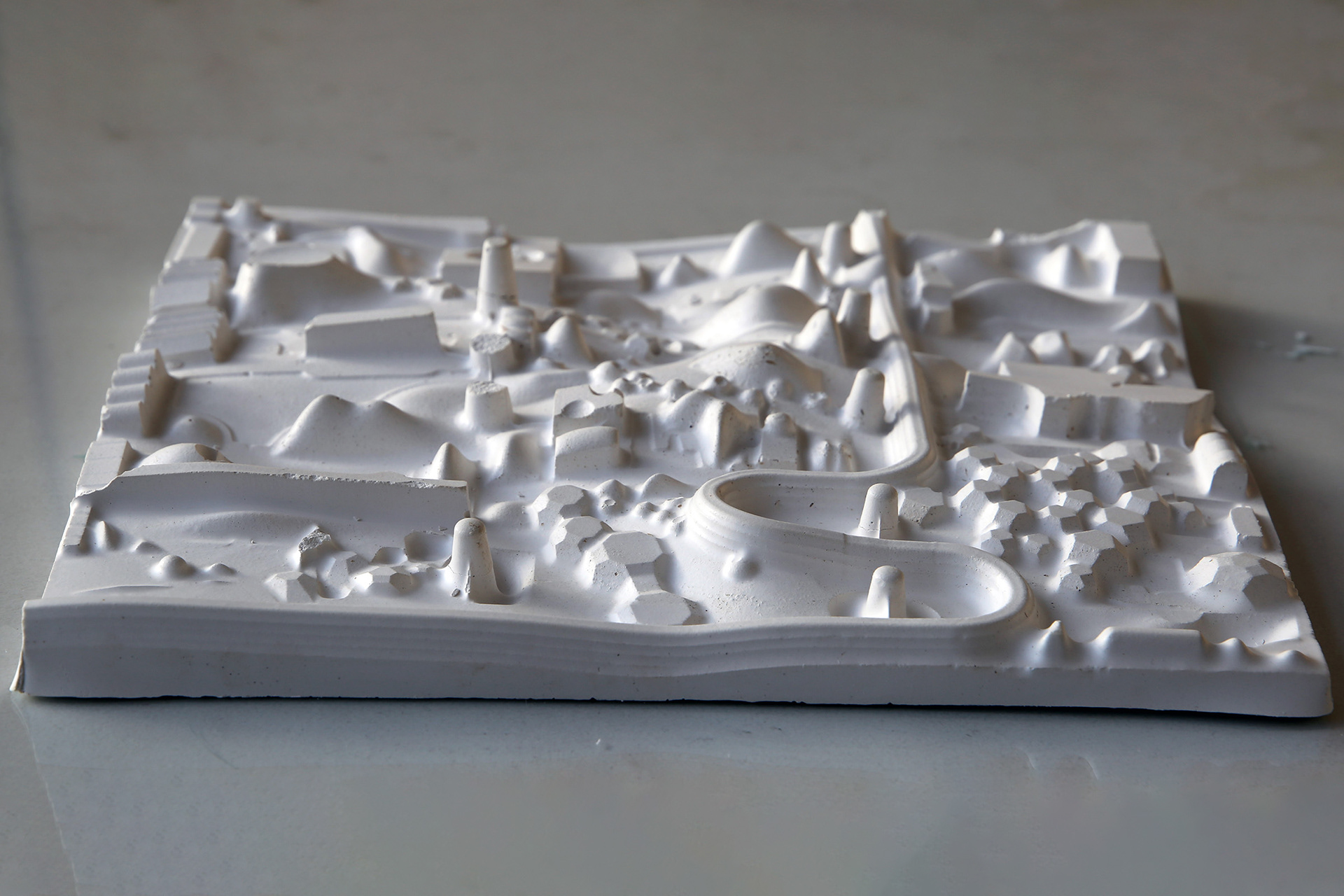
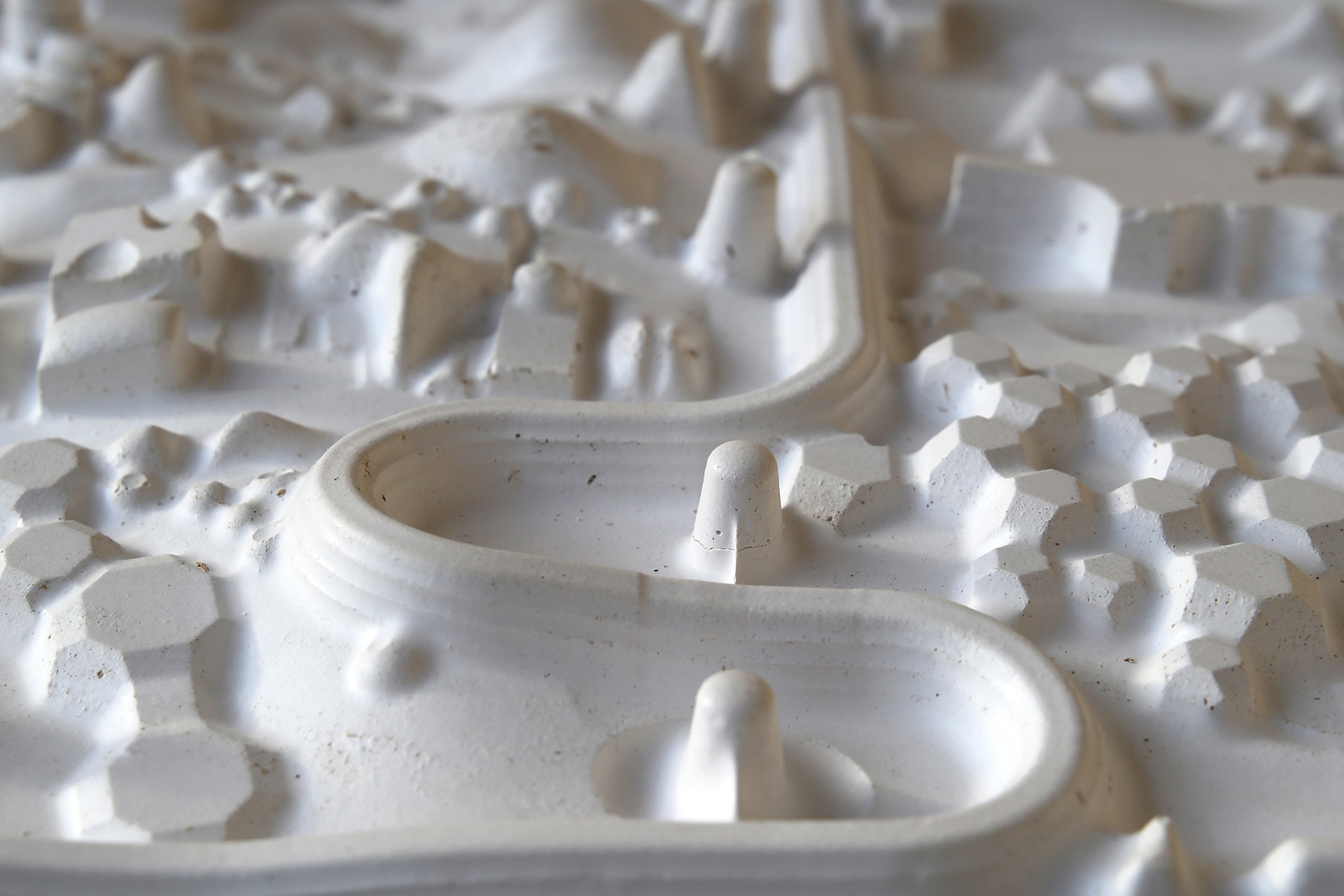
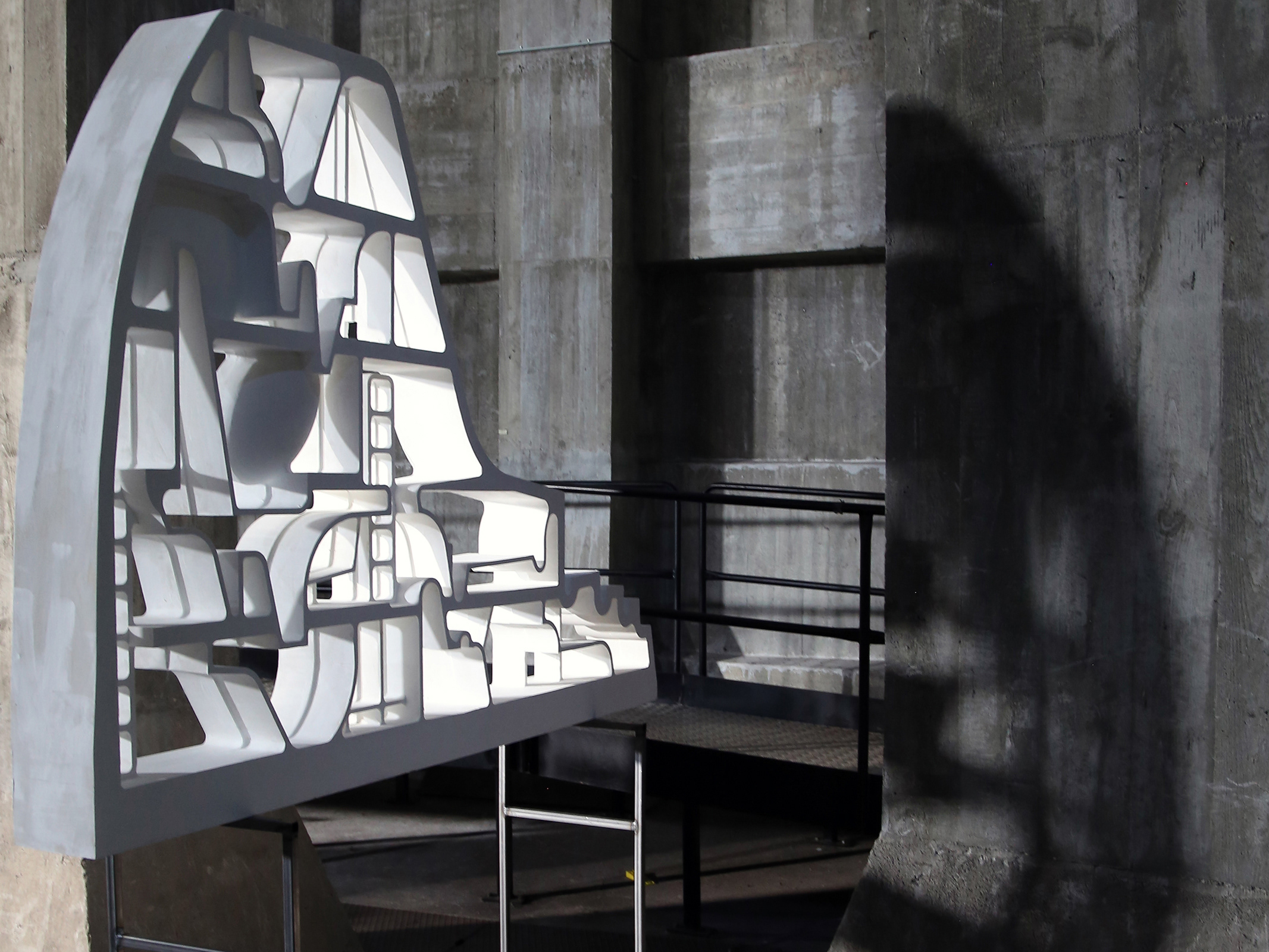
The model of the city of the future has also been cast in plaster. This helps the understanding of the city as a homogenous condition, in which everything is shared. The city of the future is an ecology where landscape and settlements are interwoven and dependent upon each other. Human and non-human needs and desires need to negotiate and coexist. The future is collaborative.