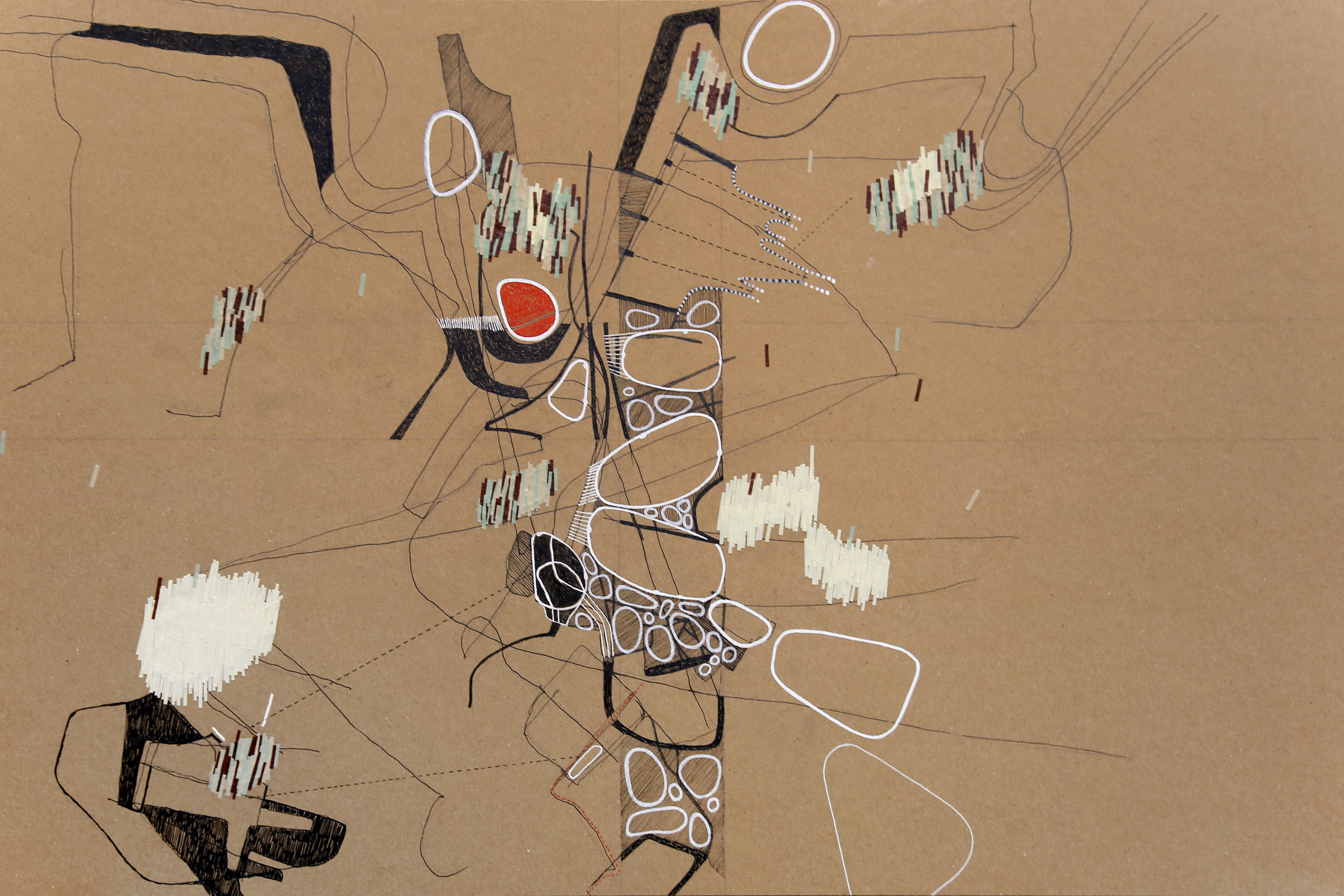
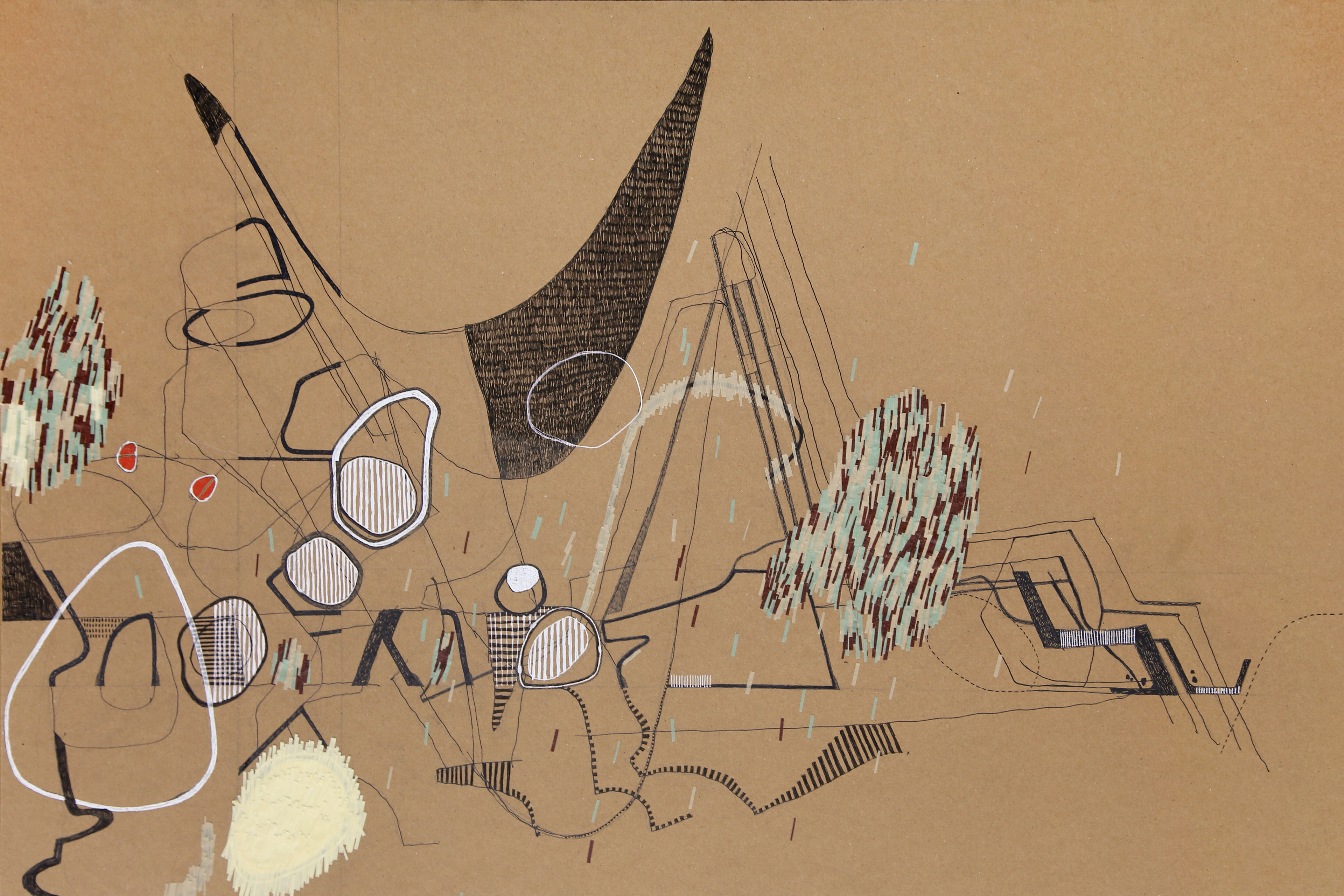
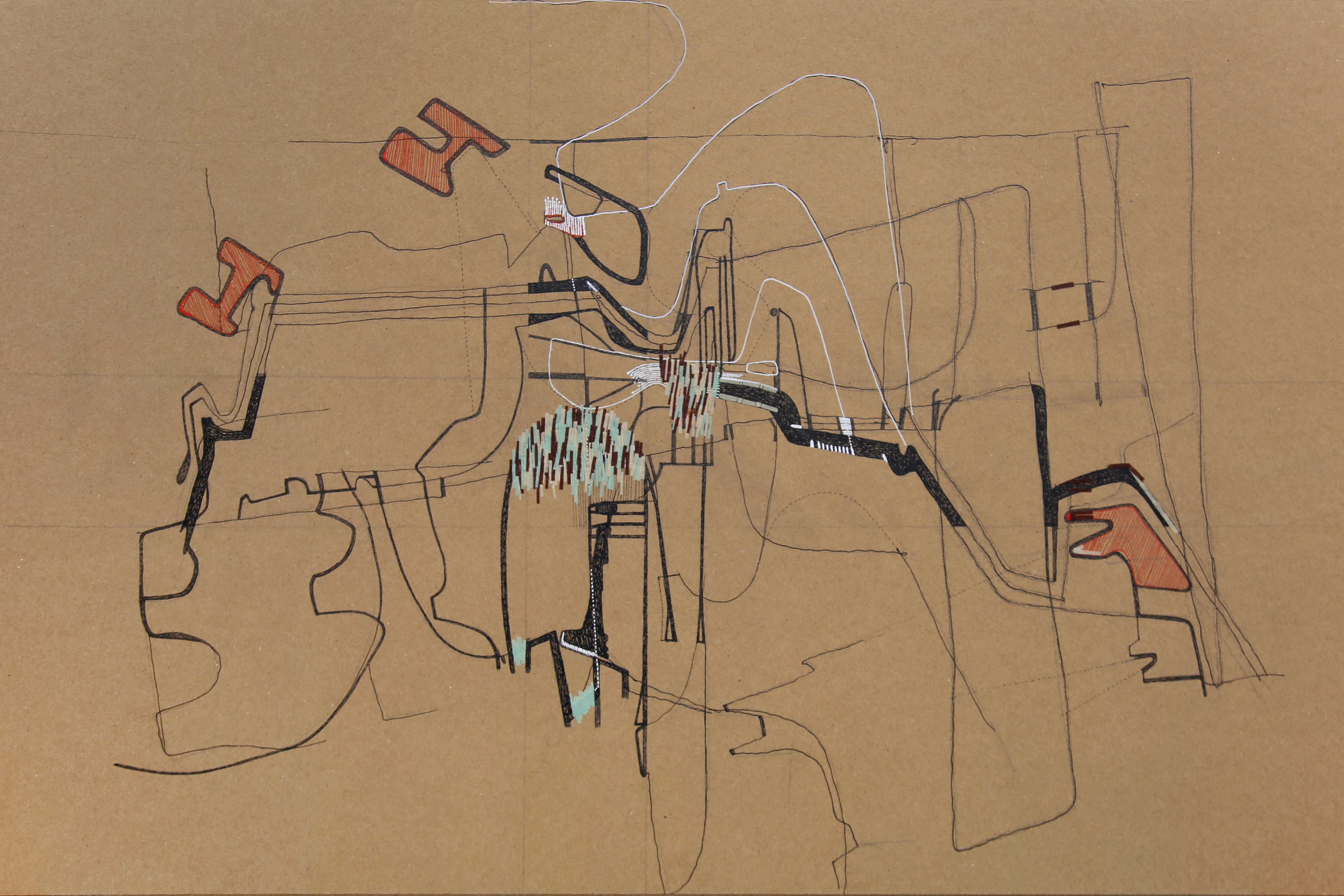
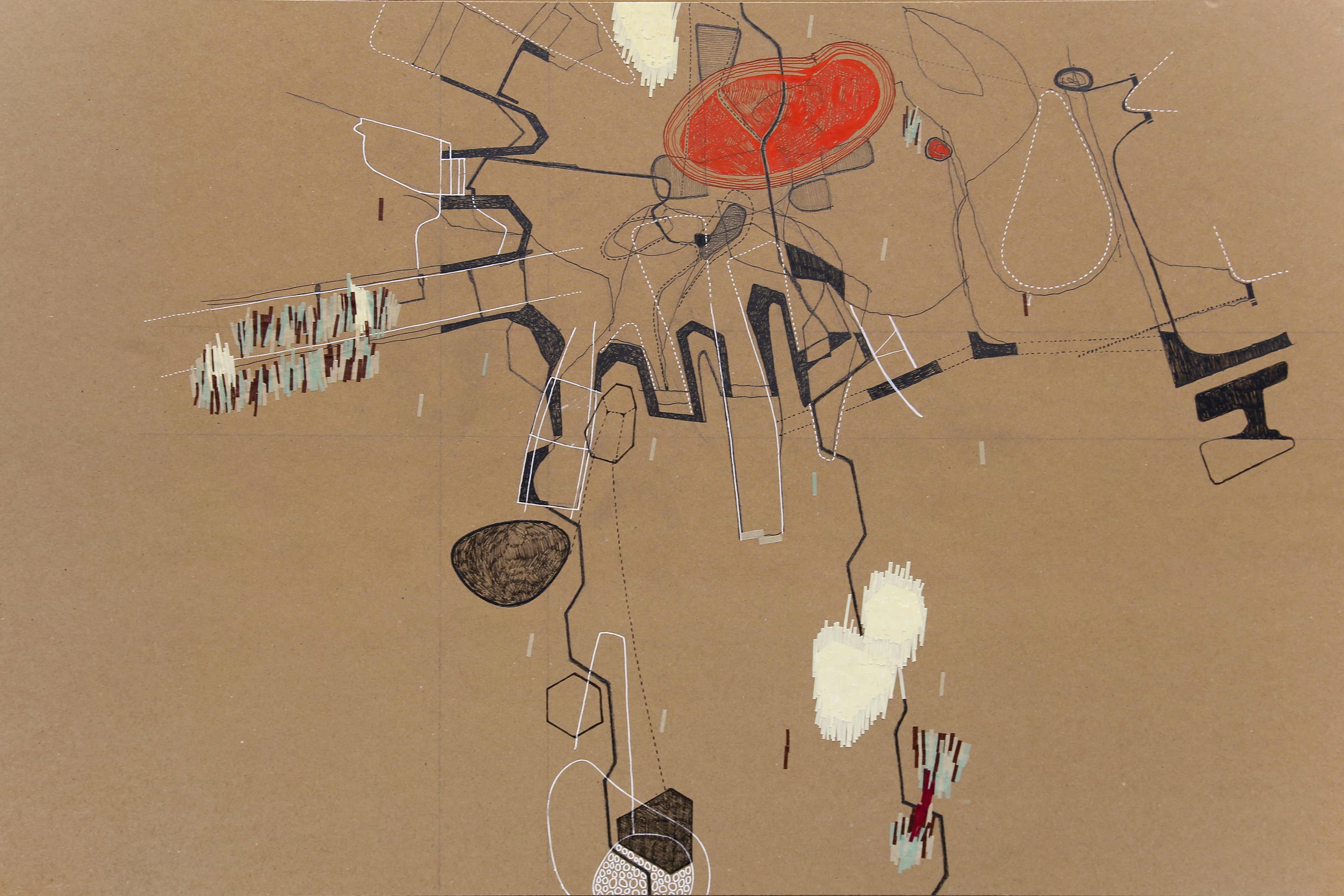
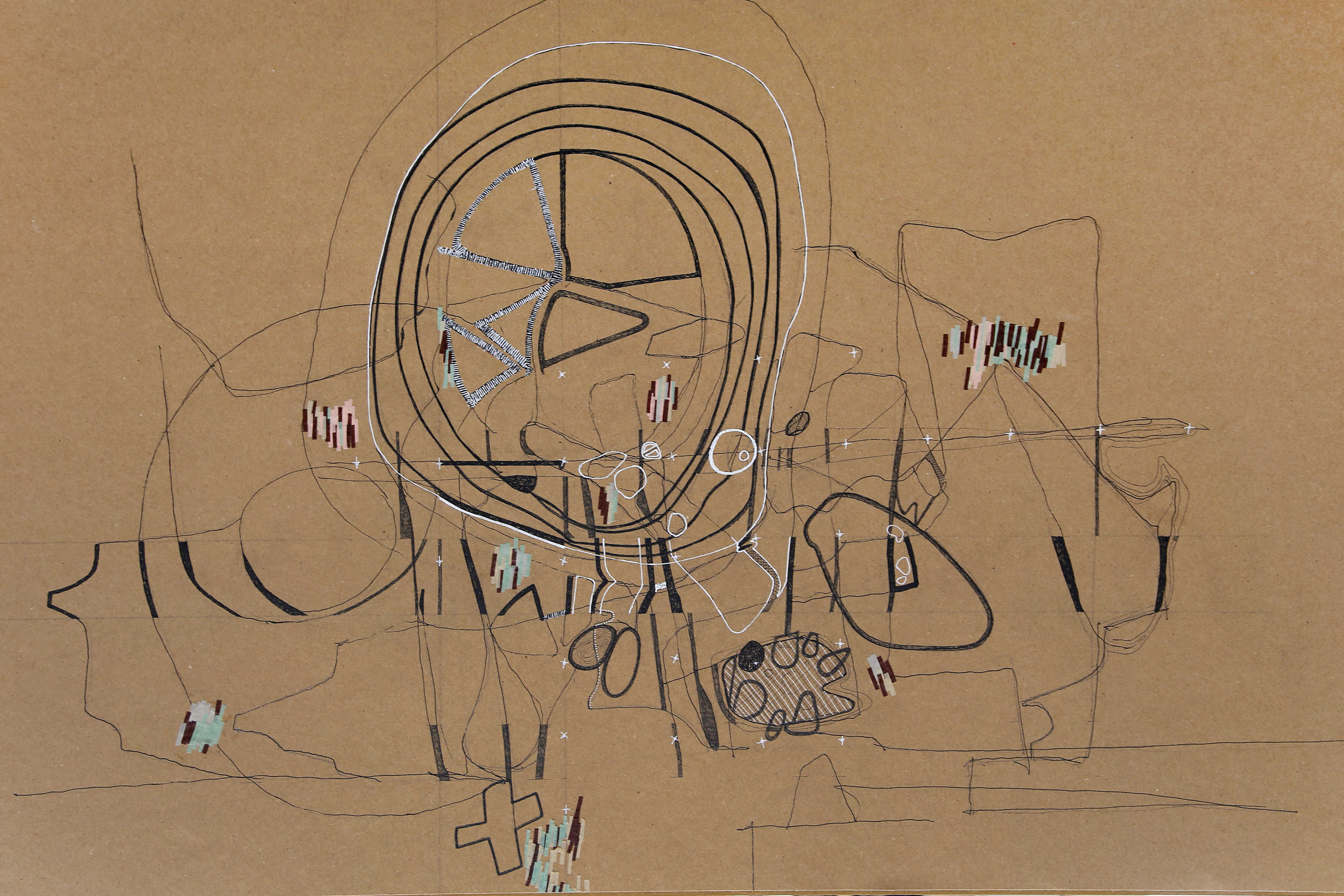
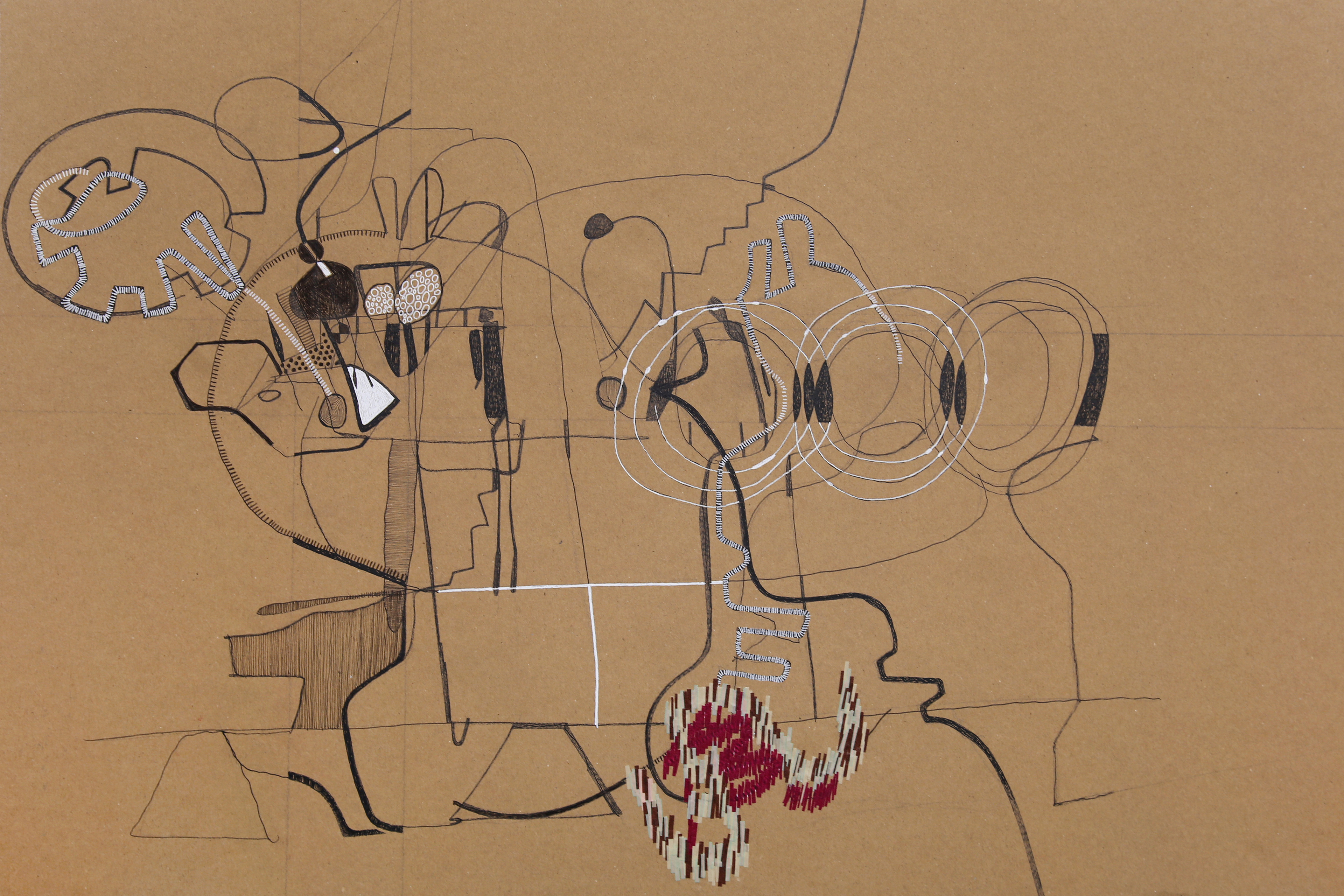
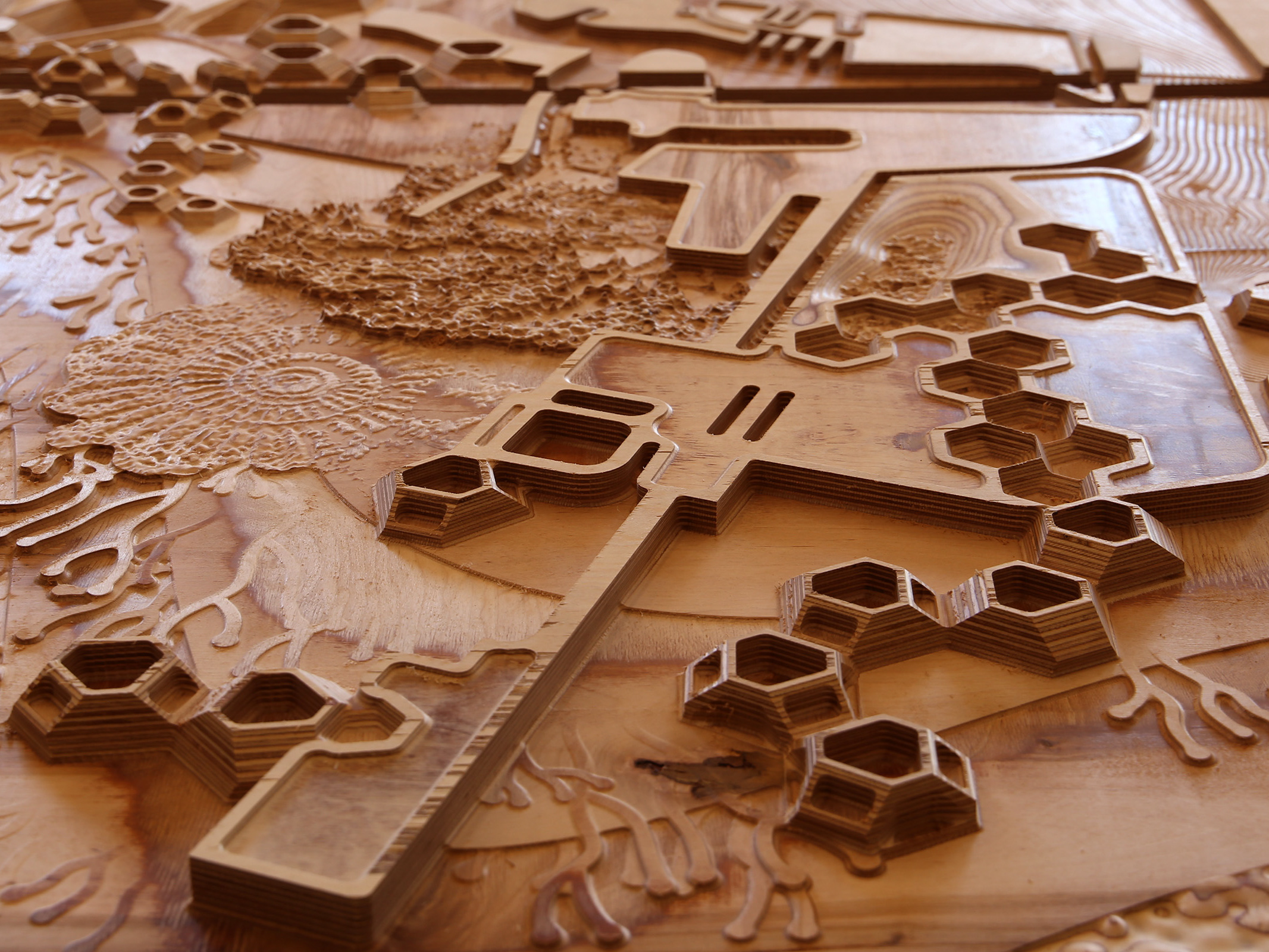
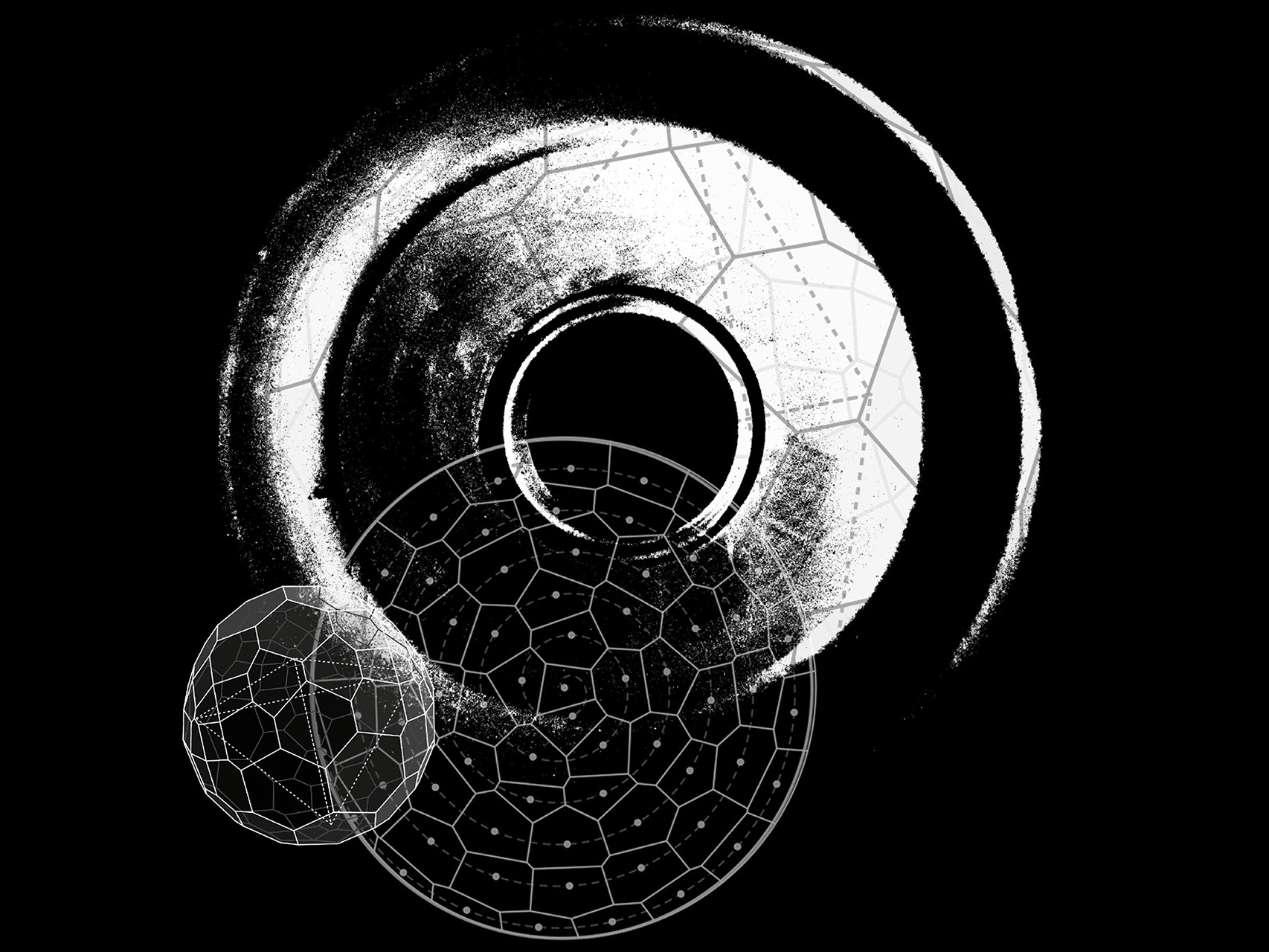
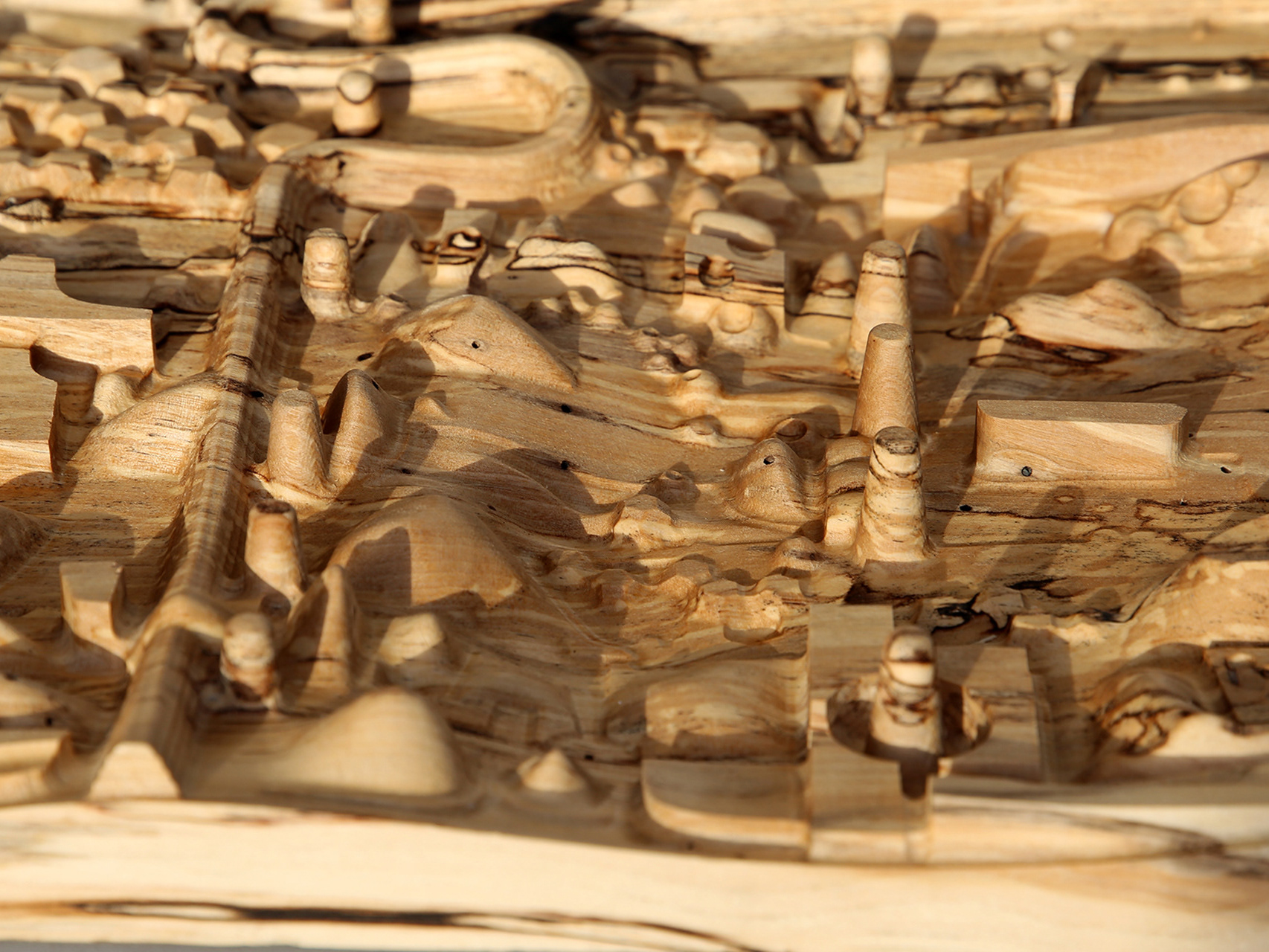
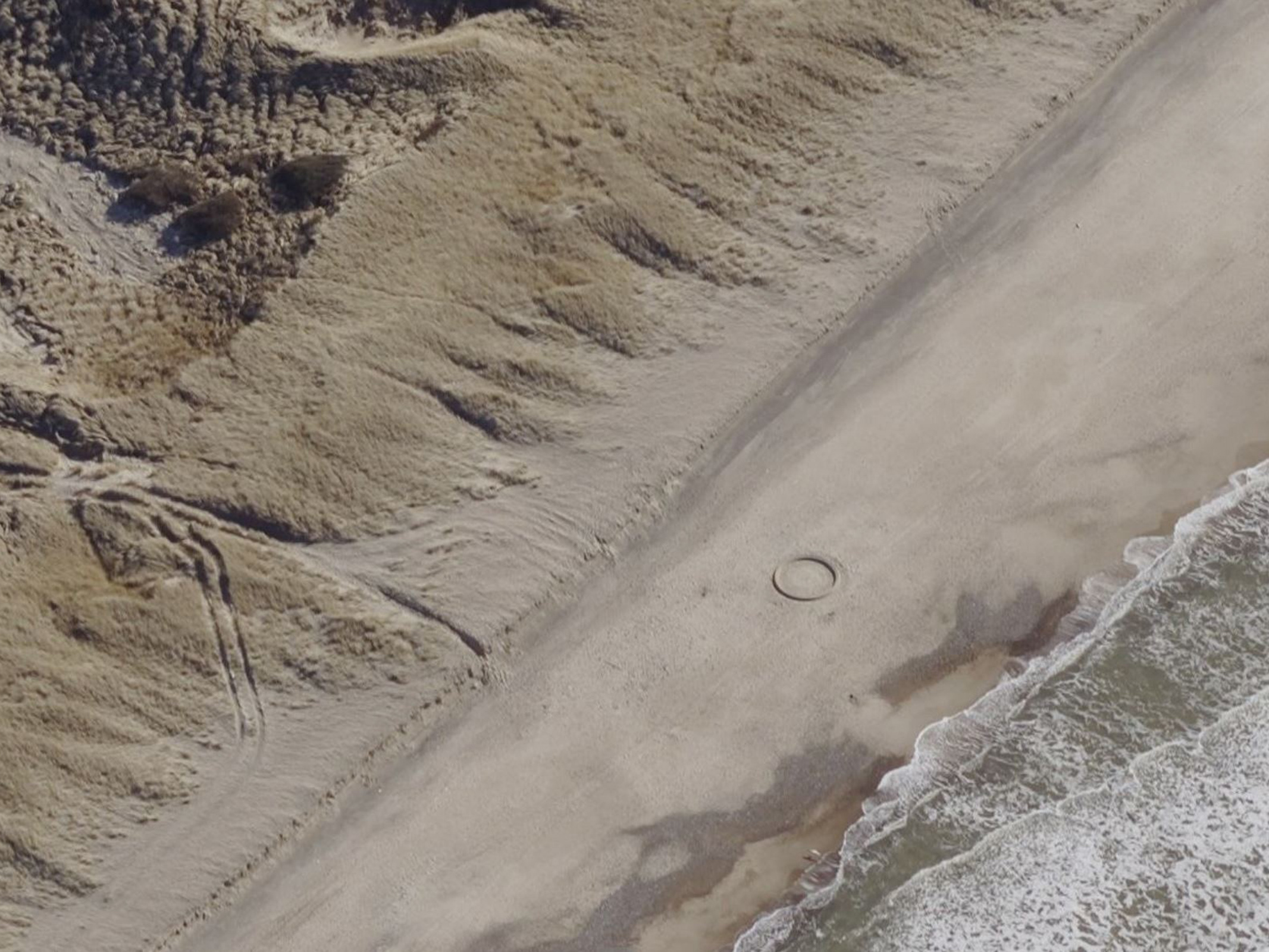
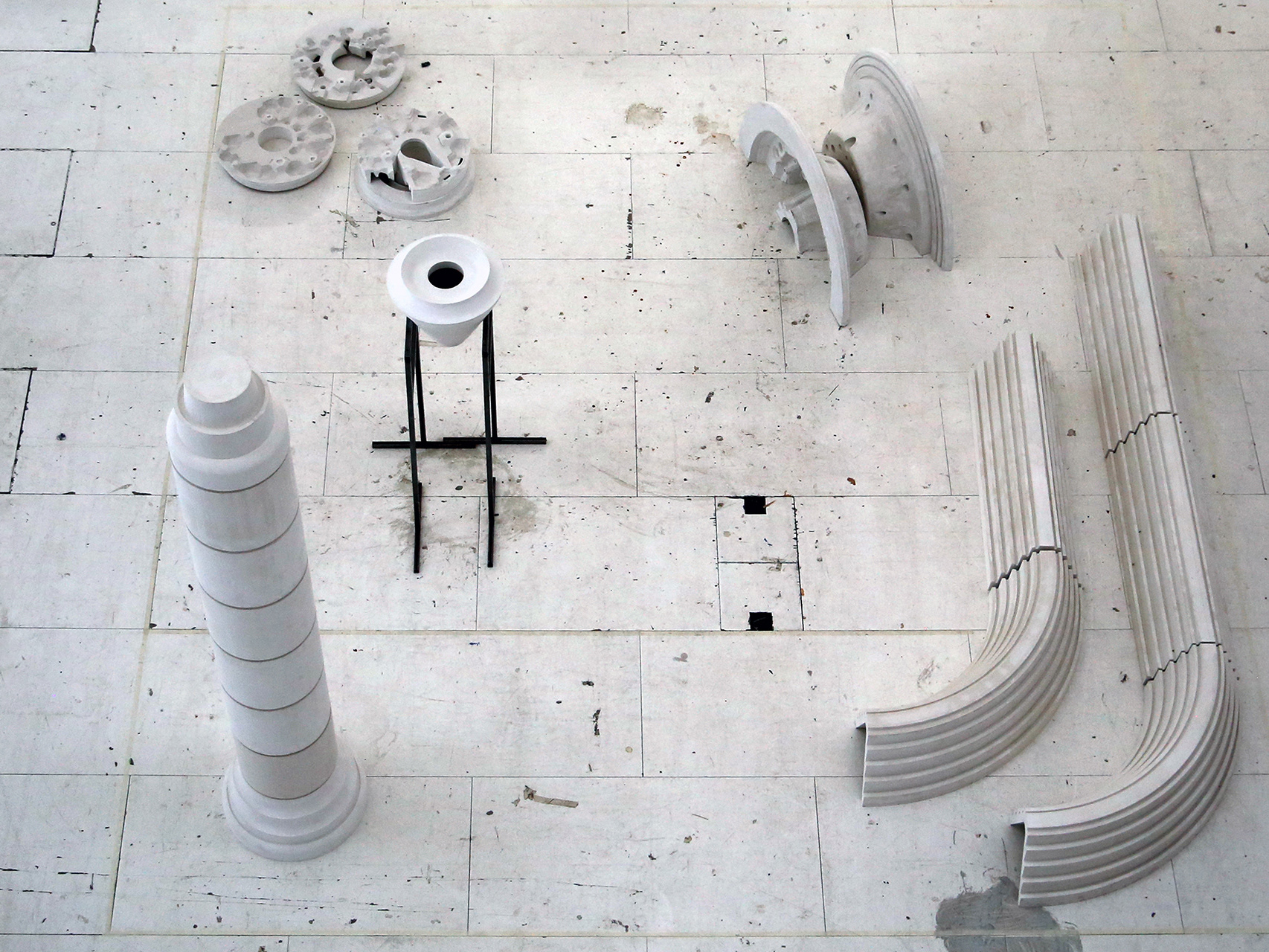
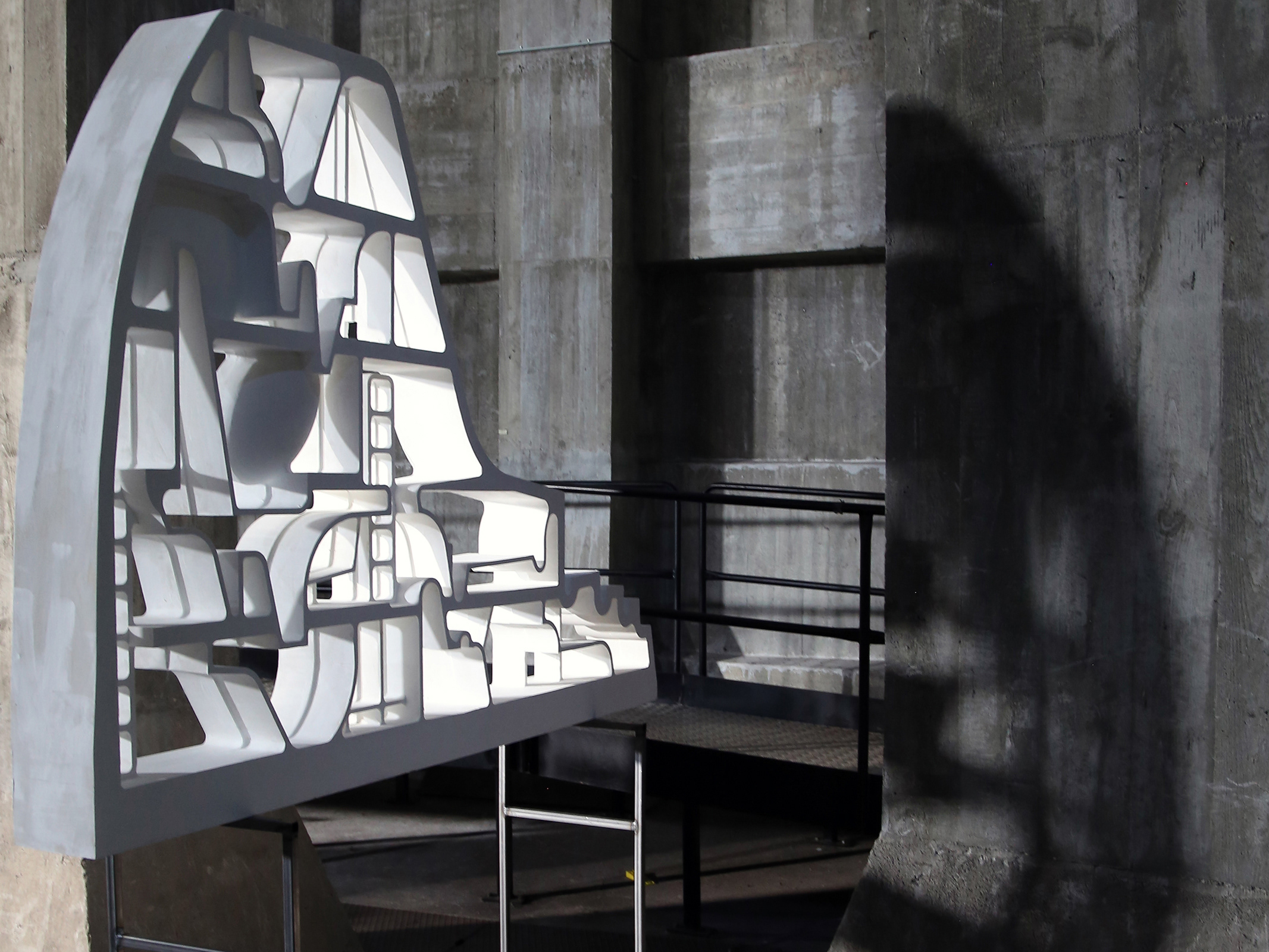
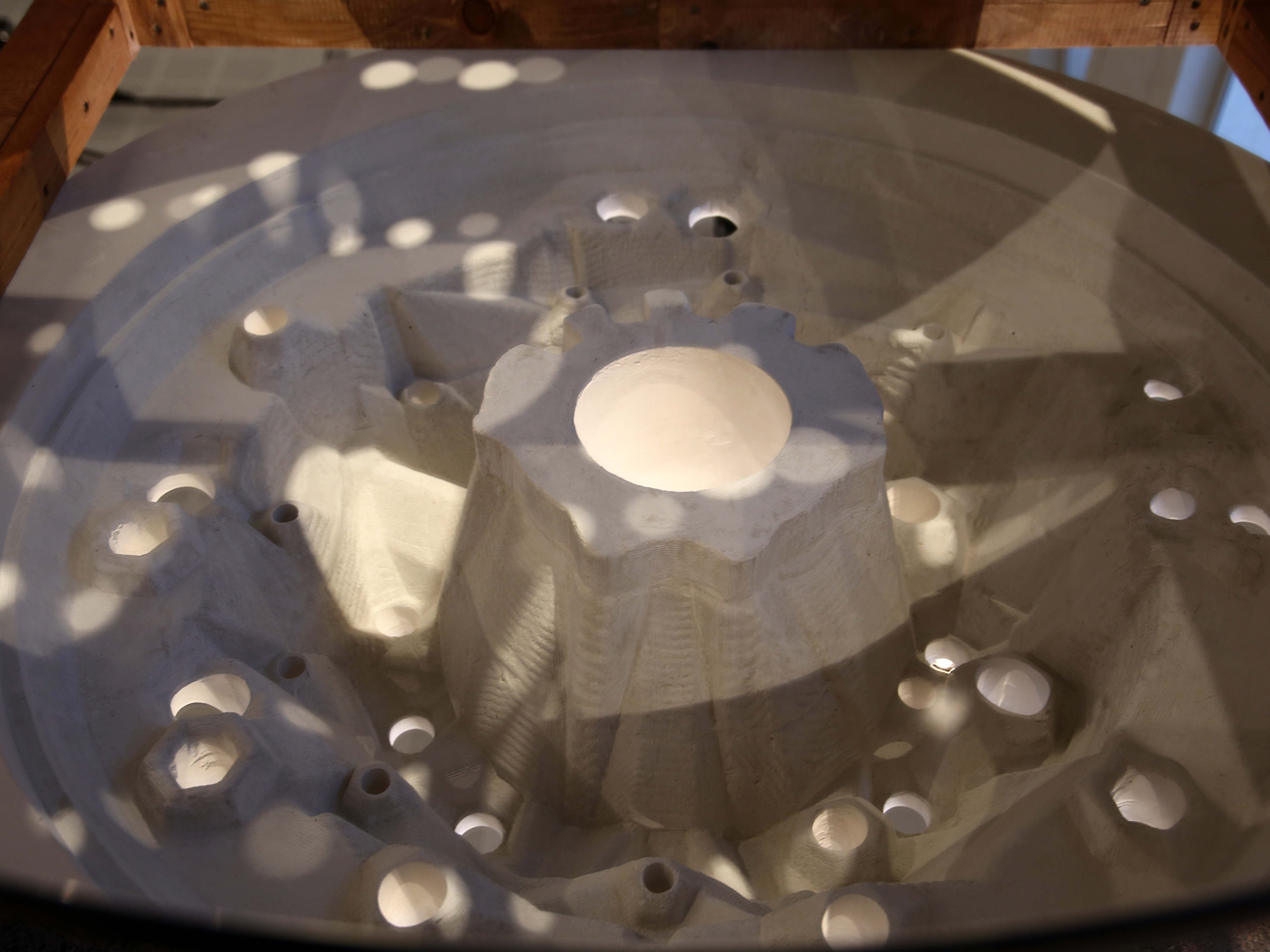
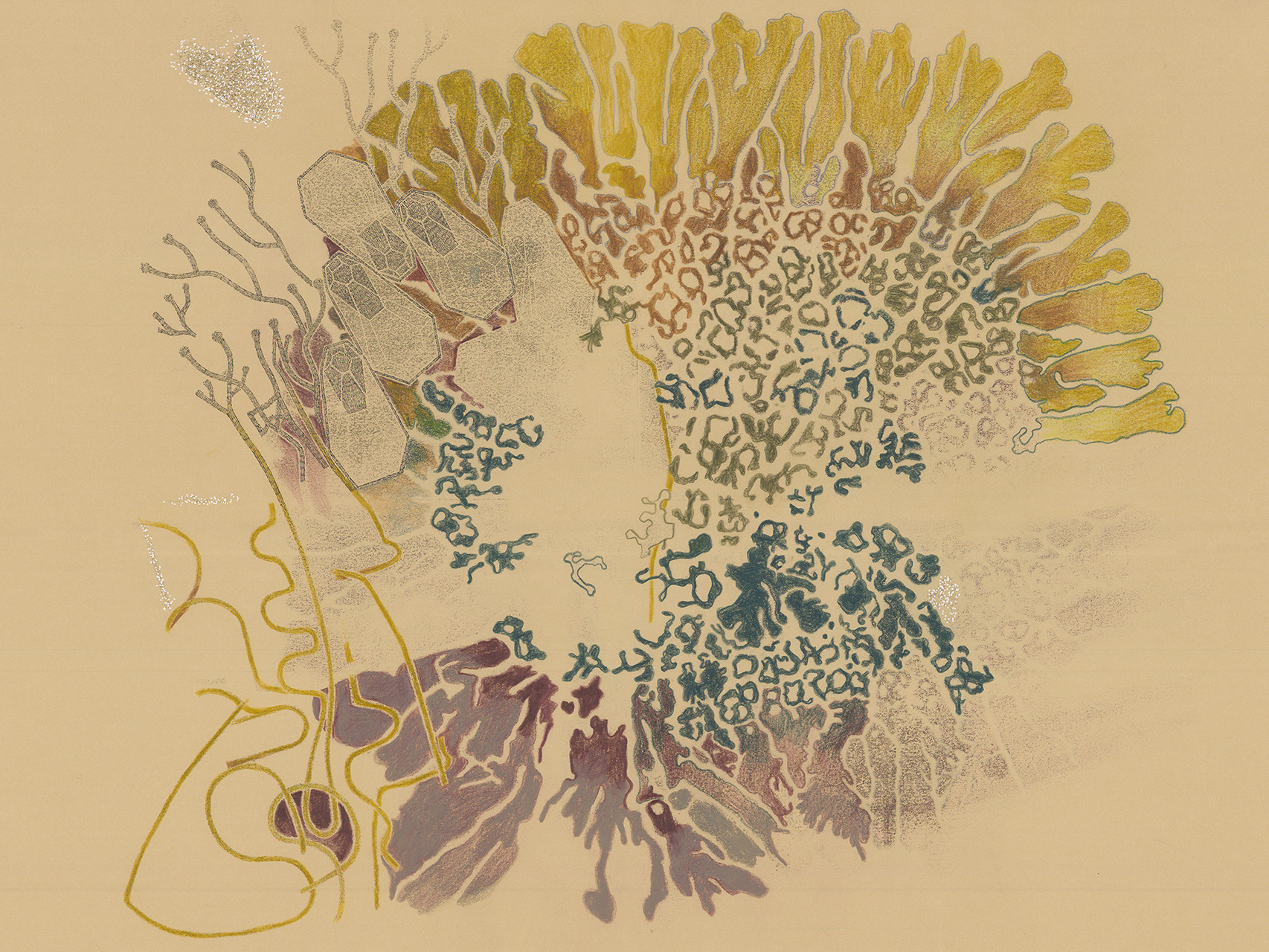
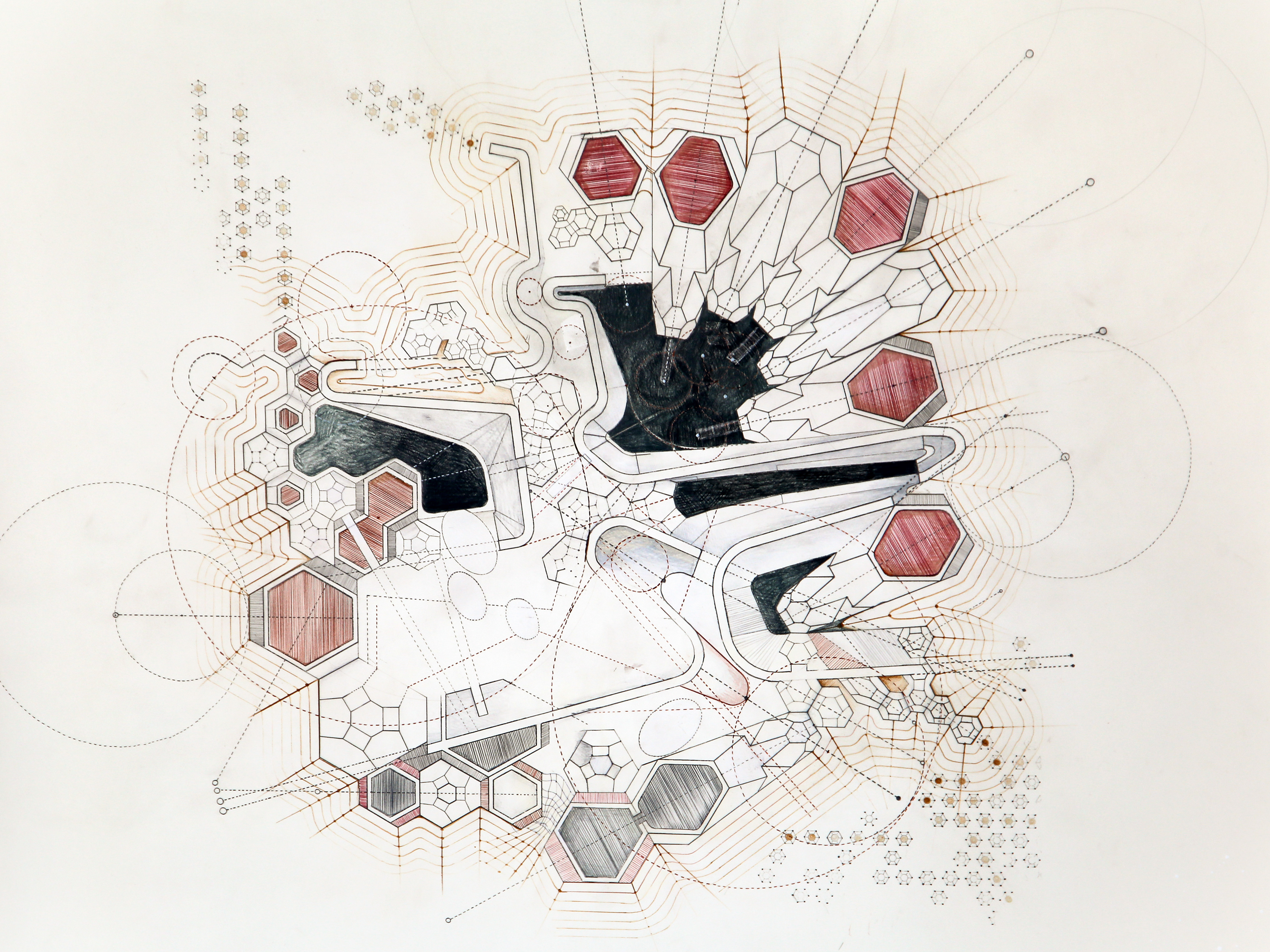
We use drawing, collage, and relief to explore the island as an image of future settlement in a flooded world. The island becomes a microcosm where relations between people, landscape, and materials can be mapped and reimagined. We investigate how architecture can evolve dynamically rather than stand as a finished object—self-sufficient, interwoven with geology and nature, and open to multiple interpretations. The drawings act both as speculative maps and as aesthetic experiments. Traces of settlement, energy, and community are entangled, while we cultivate an aesthetic that embraces the unpredictable and the mutable. Scales merge, from bacterial colonies to landscapes, and the boundary between nature and culture dissolves. Architecture appears as a living dynamic, allowing diverse expressions and putting the planet’s needs first.
To be within the space of the drawing is a distinctive experience. When the hand, the eye and the mind is coordinated and beyond measure. When, without reluctance, it is possible to add marks, notations, and peculiarities. When all thoughts are dissolved in architectural gestures and notations, when the balance between darkness and light is perfect, between poché and void, when the drawing becomes autonomous – then one feels happy. The happiness only lasts for a moment before new crises appear.
At the outset of a drawing, we do not aim at solving problems or imagine functions. We have no hypotheses and we do not know where the drawing will end. We work with the drawing just as a drawing. But something meaningful starts to appear, something recognizable, perhaps a figure. The drawing is made in a flow, we give in and work gradually into the drawing. We draw, hatch, invent relations, fractures, and overlaps. We translate, relocate, rotate, and elongate to make passages and transitions through the drawing. Some figures attach themselves to larger structures. Narratives appear. Landscapes, structures, buildings. In some places buildings and landscapes are inseparable, they merge. Small self-grown settlements appear, in-between spaces and voids. Coincidences and mistakes are unavoidable in such a process. We enjoy them. They can be annoying but inevitably lead to new insights.
Naming the drawing is also part of the process. A name can be the obvious, objective, and straightforward word that everybody understands and agree upon. Or it can be a more personal, poetic, and suggestive word. It can be a work-in-progress title. In some cases, we name drawings as precise as possible based on their appearance. In other cases, we invent a name for the drawing to live up to. In other words, if the forms and the relationships of the drawing has not already appeared as something, they become its name.
The fortification – the historic figure transformed into a new ecology. The Cultivation Fields – the sides of the islands where inhabitants produce food. The Coastline with Drifting Objects – for the illegal inhabitants. The Bay - honoring an inspiring precedent, Kenzo Tange’s Tokyo Bay project, but also a naturally occurring phenomenon of shifting tides and wetlands. The Seaweed farm – the new sustainable, water-based production facilities. And finally, the Island as a whole, potentially containing all the other places.