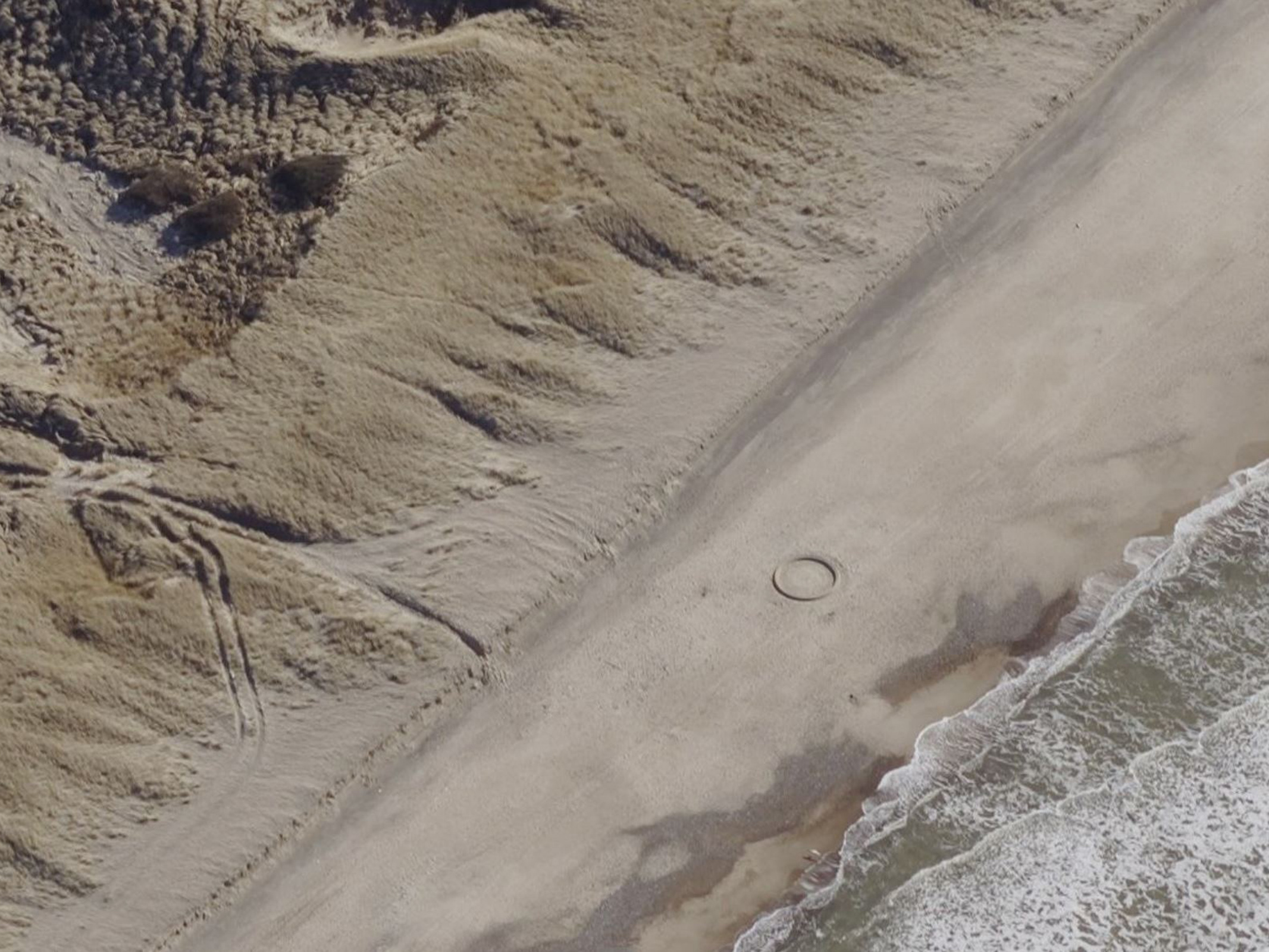
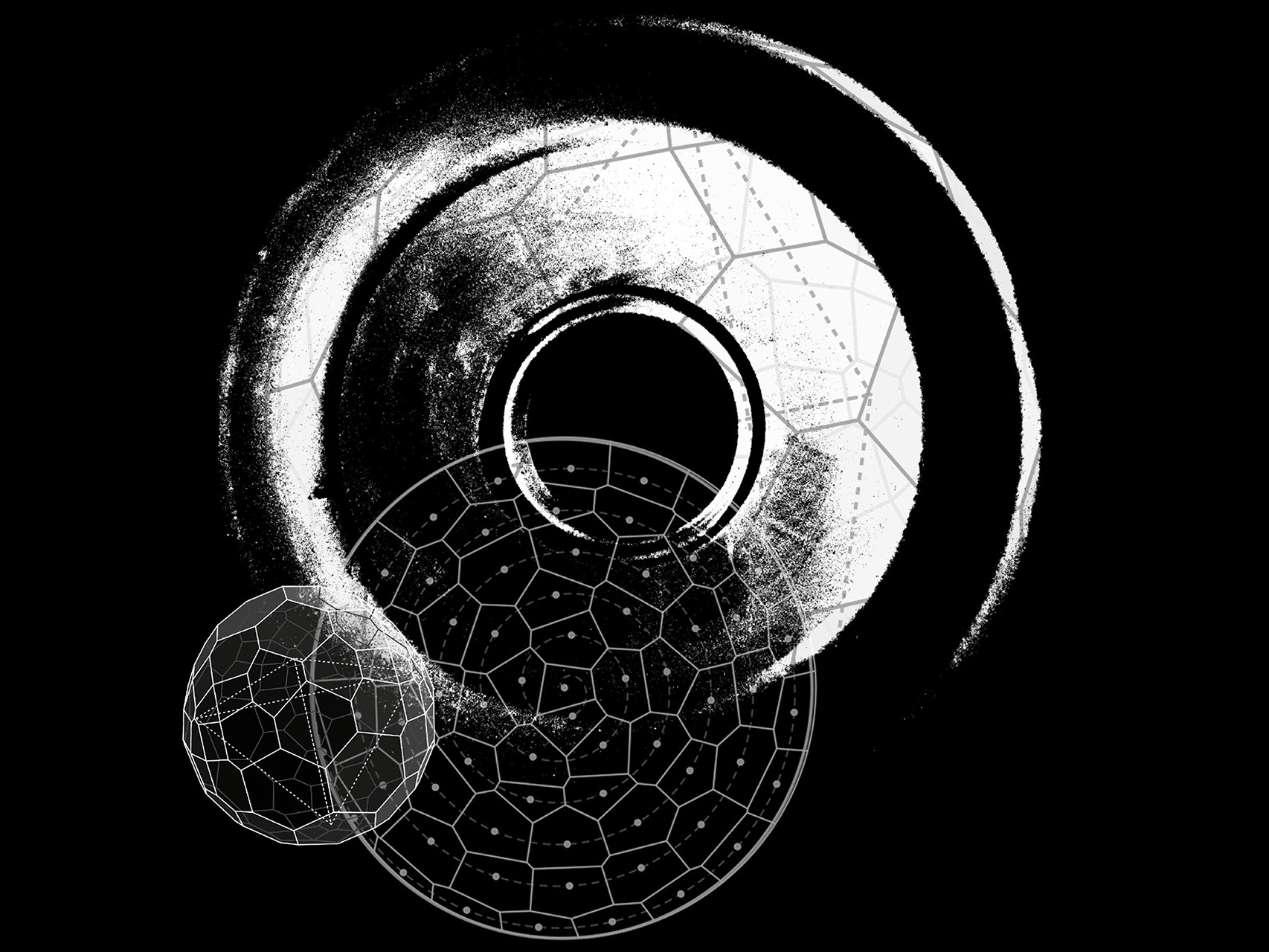
In 2018, islands, both existing and yet to be built, assumed a prominent role in Danish political and architectural debates. The island of Lindholm was proposed as a deportation center for rejected asylum seekers, while the artificial islands of Lynetteholmen and Avedøre Holme were presented as responses to urban growth and rising sea levels. Despite their radically different purposes, these projects shared an understanding of the island as a clearly demarcated and finite object, separated from its surroundings.
Nova Insula Utopia begins with a different question: What is an island if its relationship to its surroundings is understood as fluid rather than binary? What happens when the island is shaped not only by intention, but also by material forces, accidents and processes of transformation?
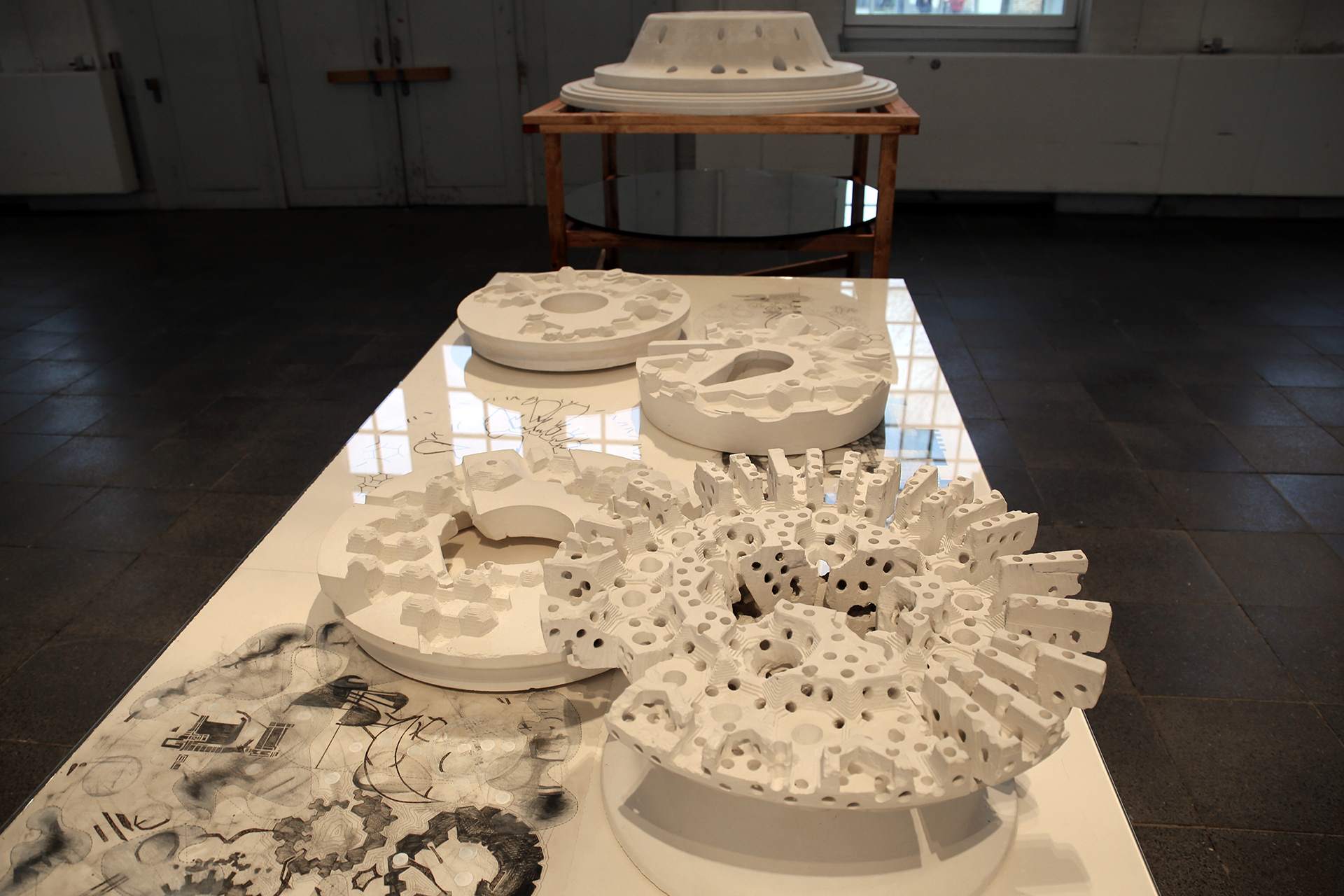
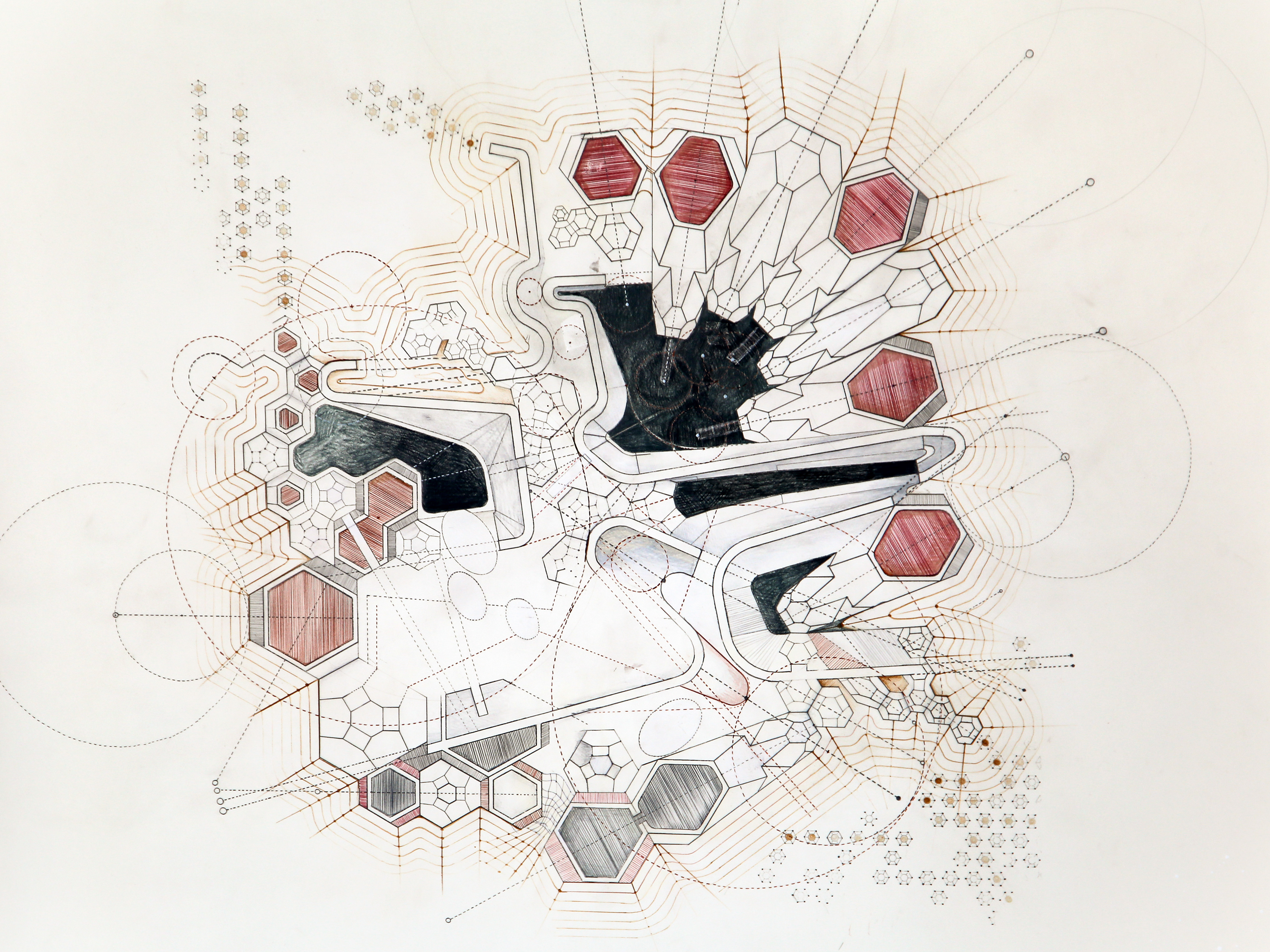
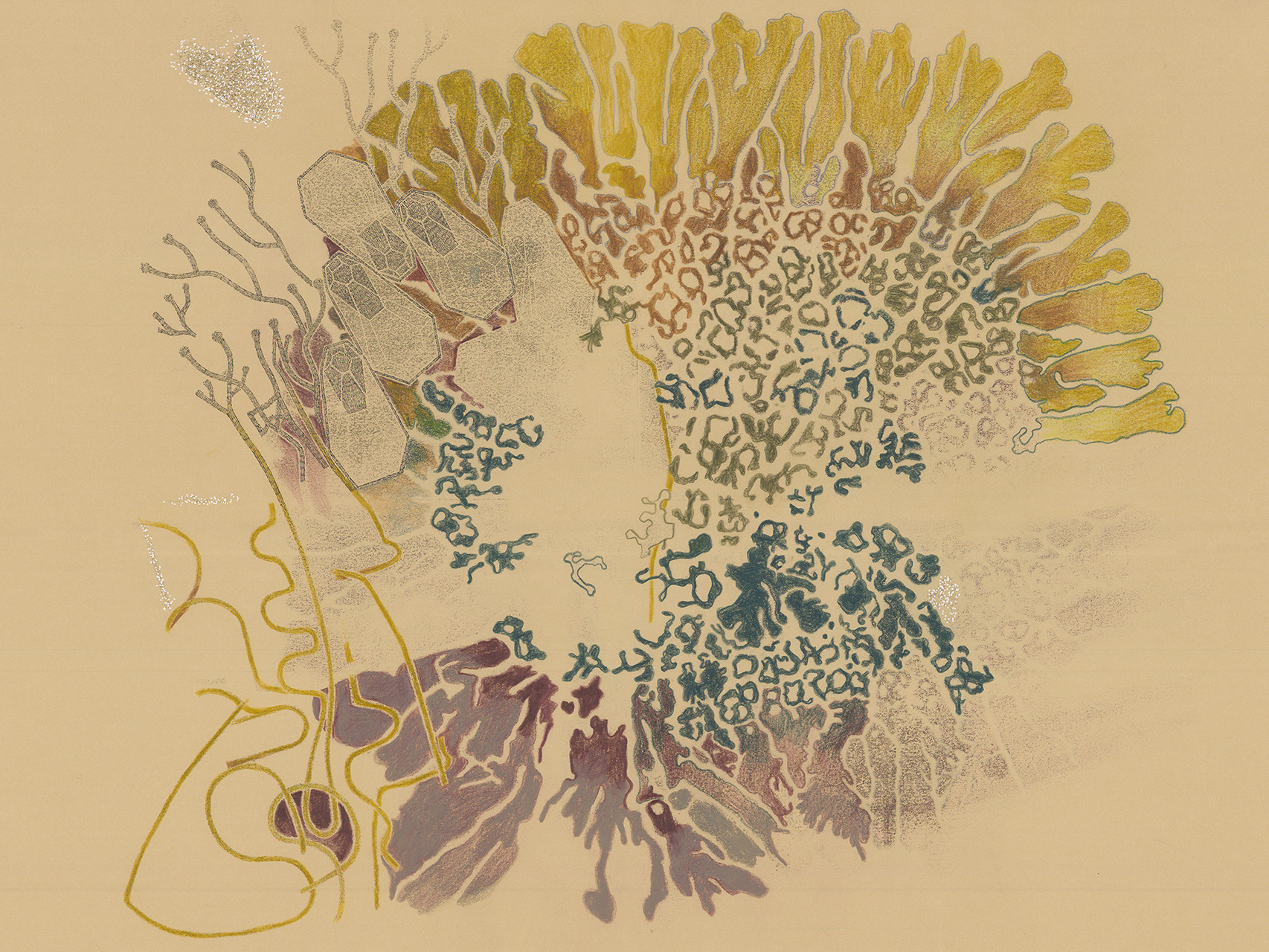
The title refers to Thomas More’s Utopia (1516), whose original title included the words Nova Insula Utopia—the new island Utopia. Like More, we work with an imagined yet concrete and measurable landform, described through models and drawings.
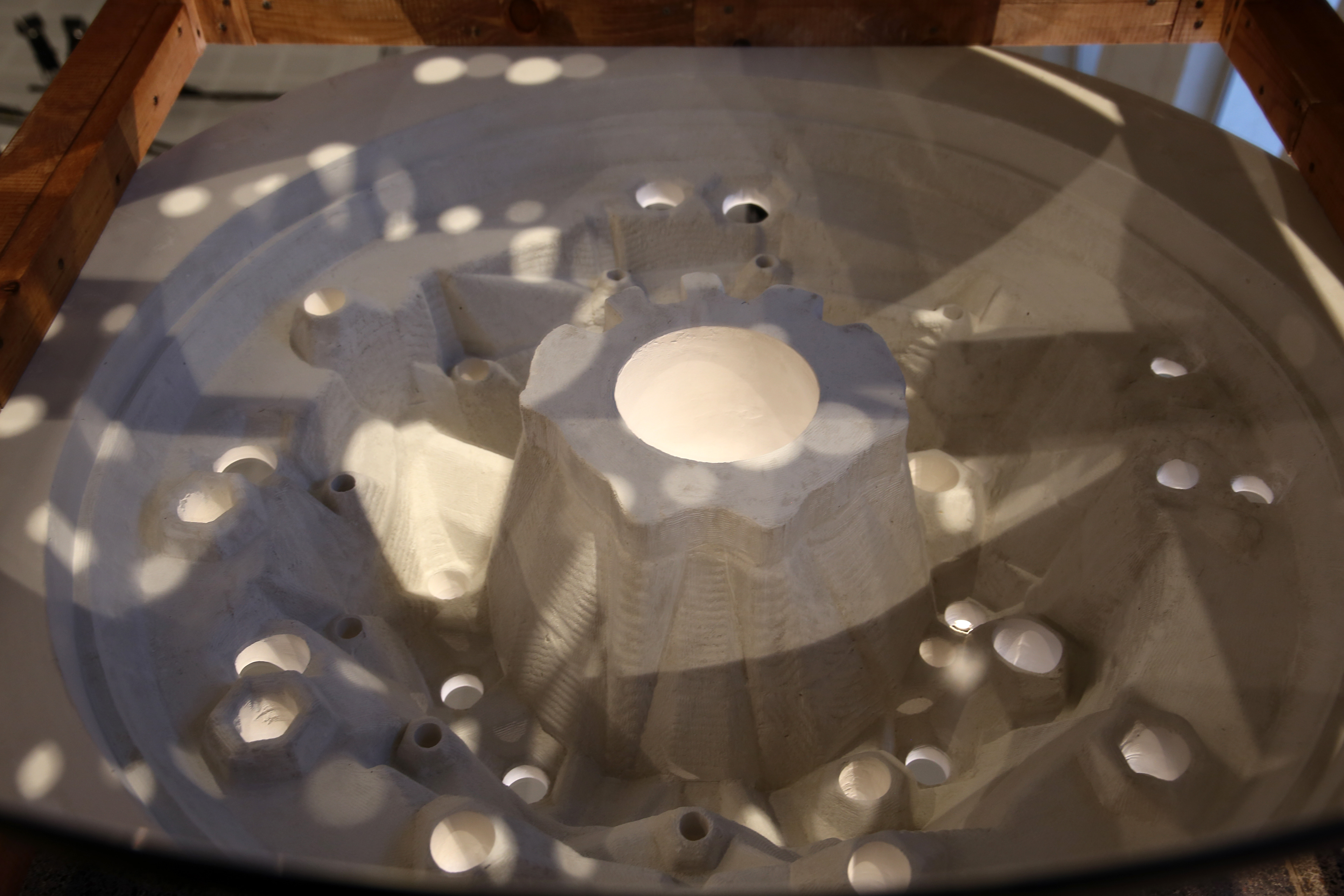
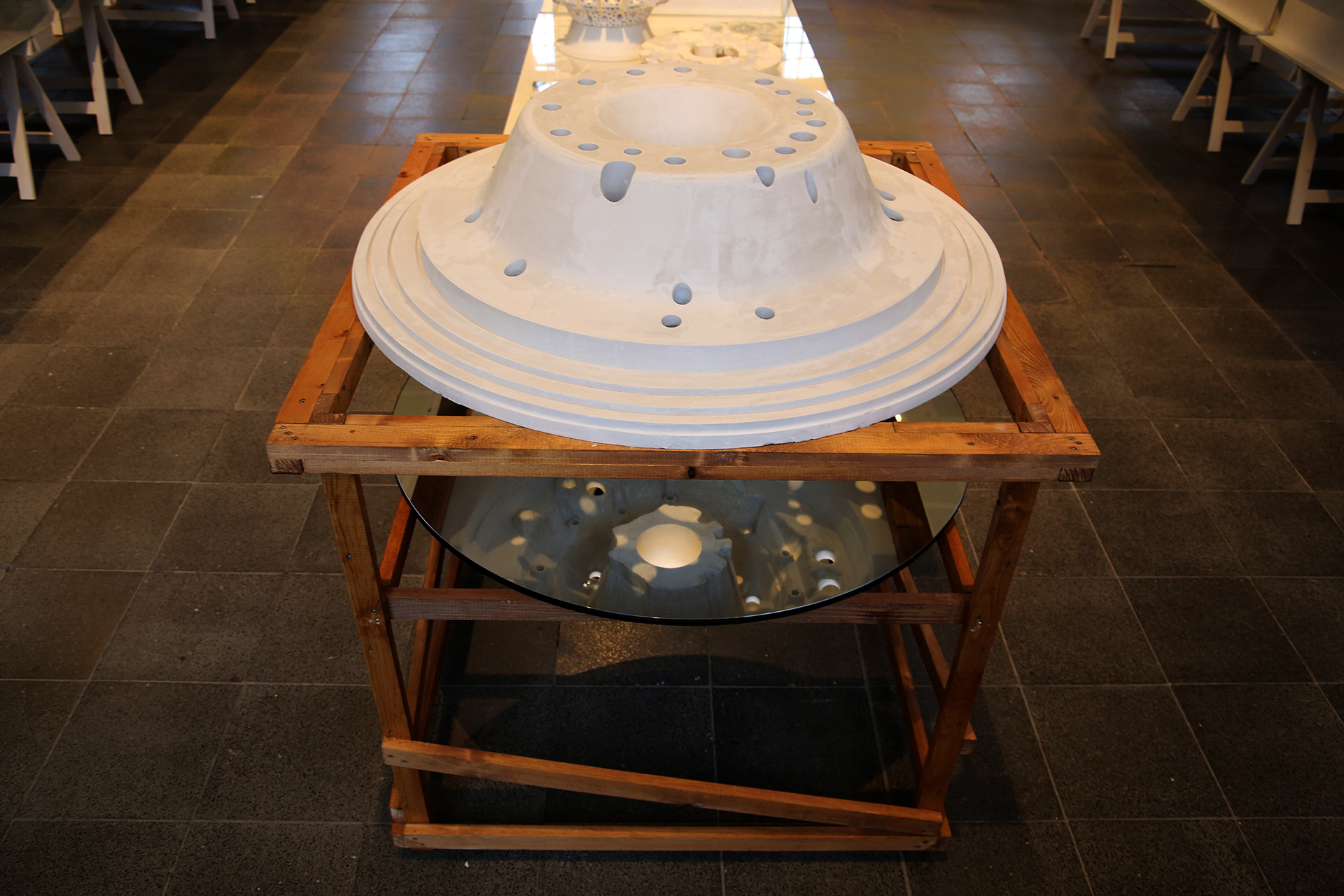
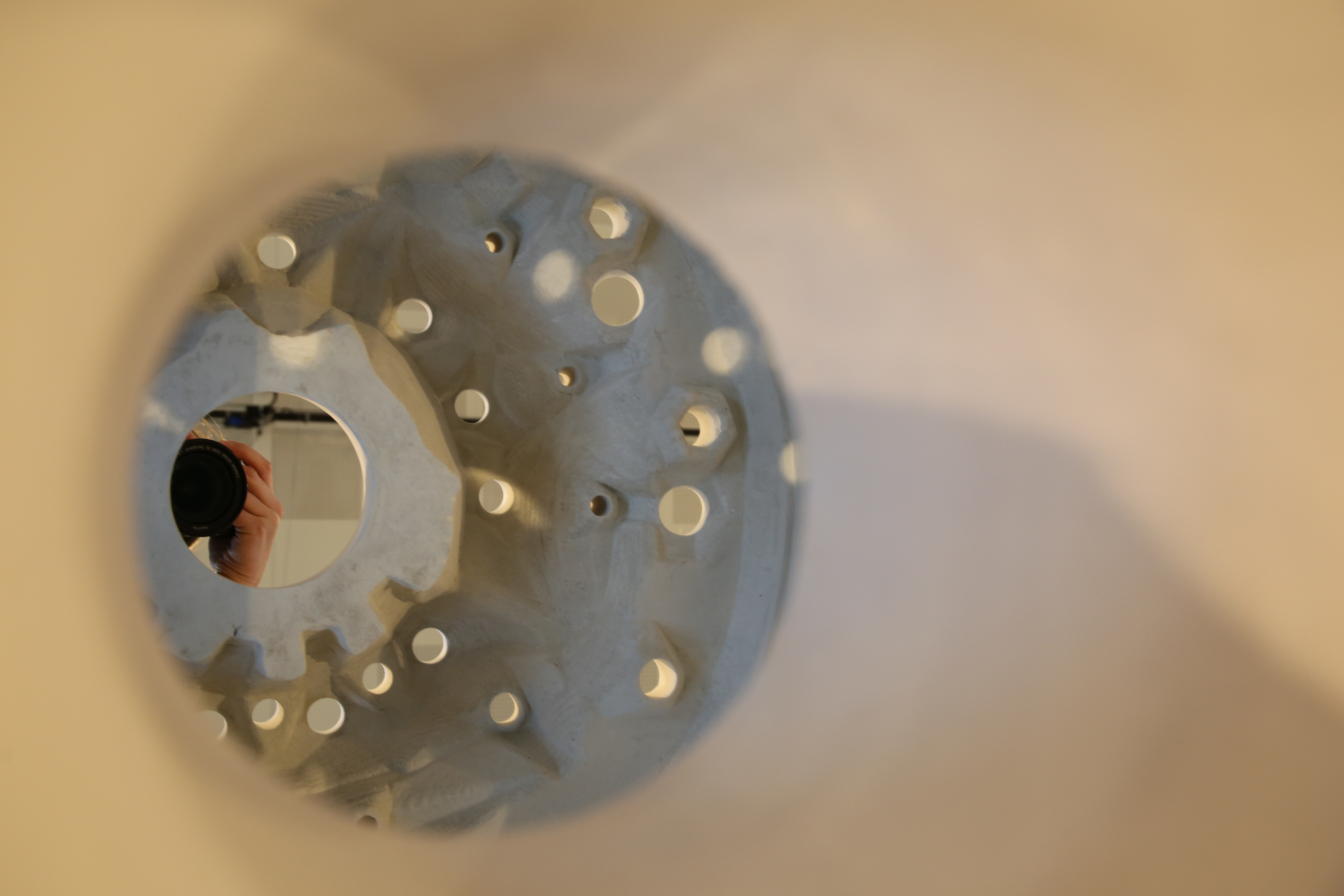
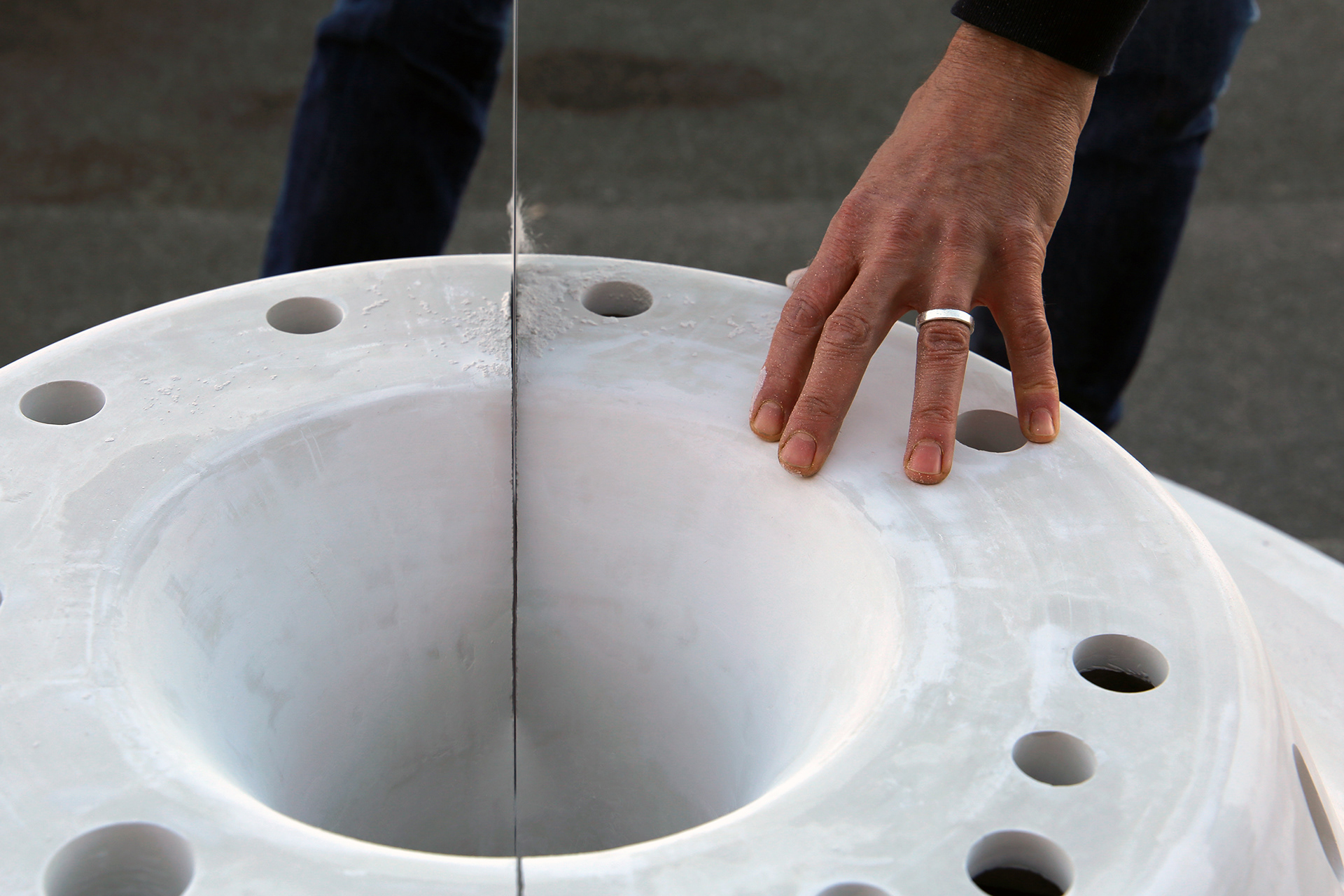
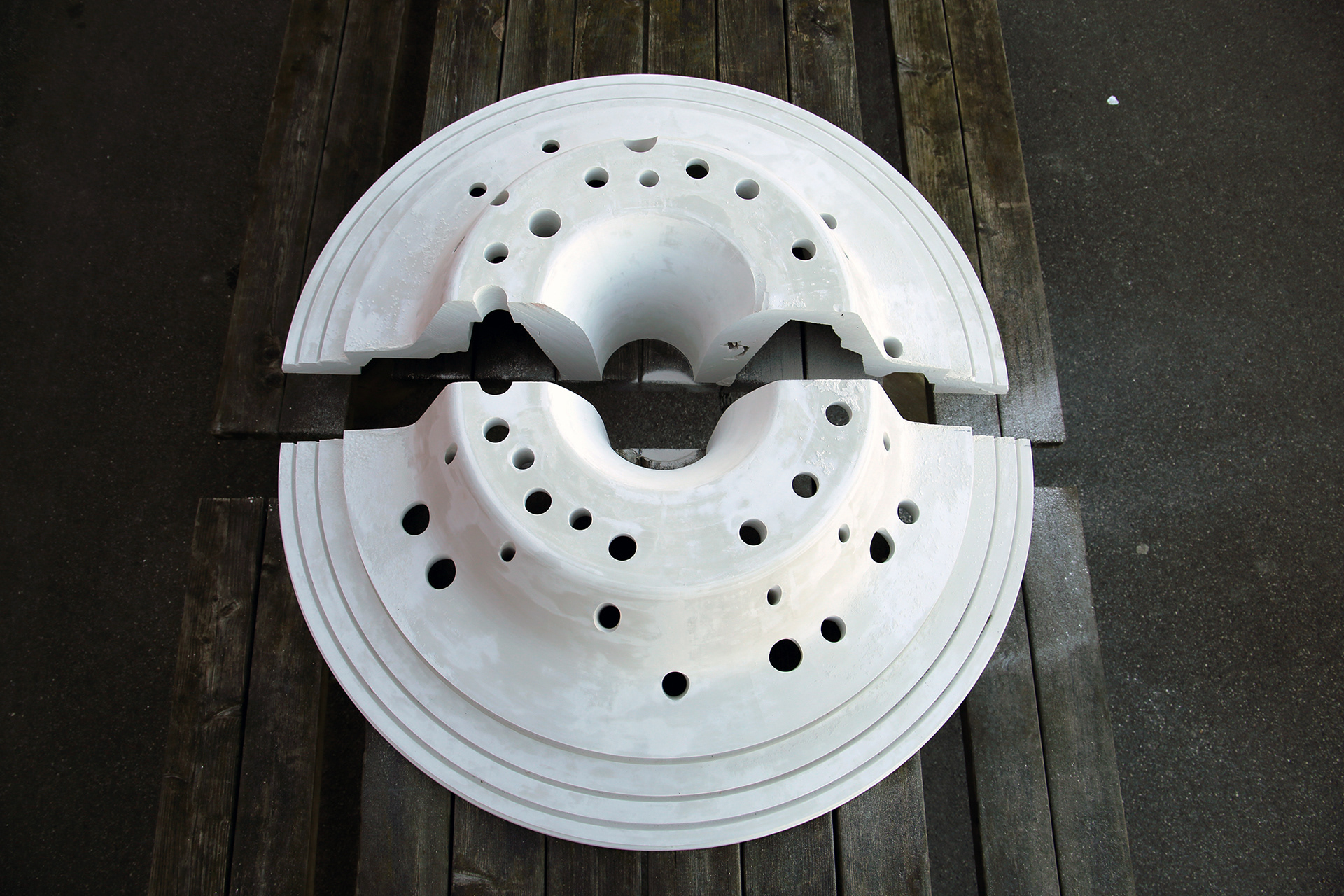
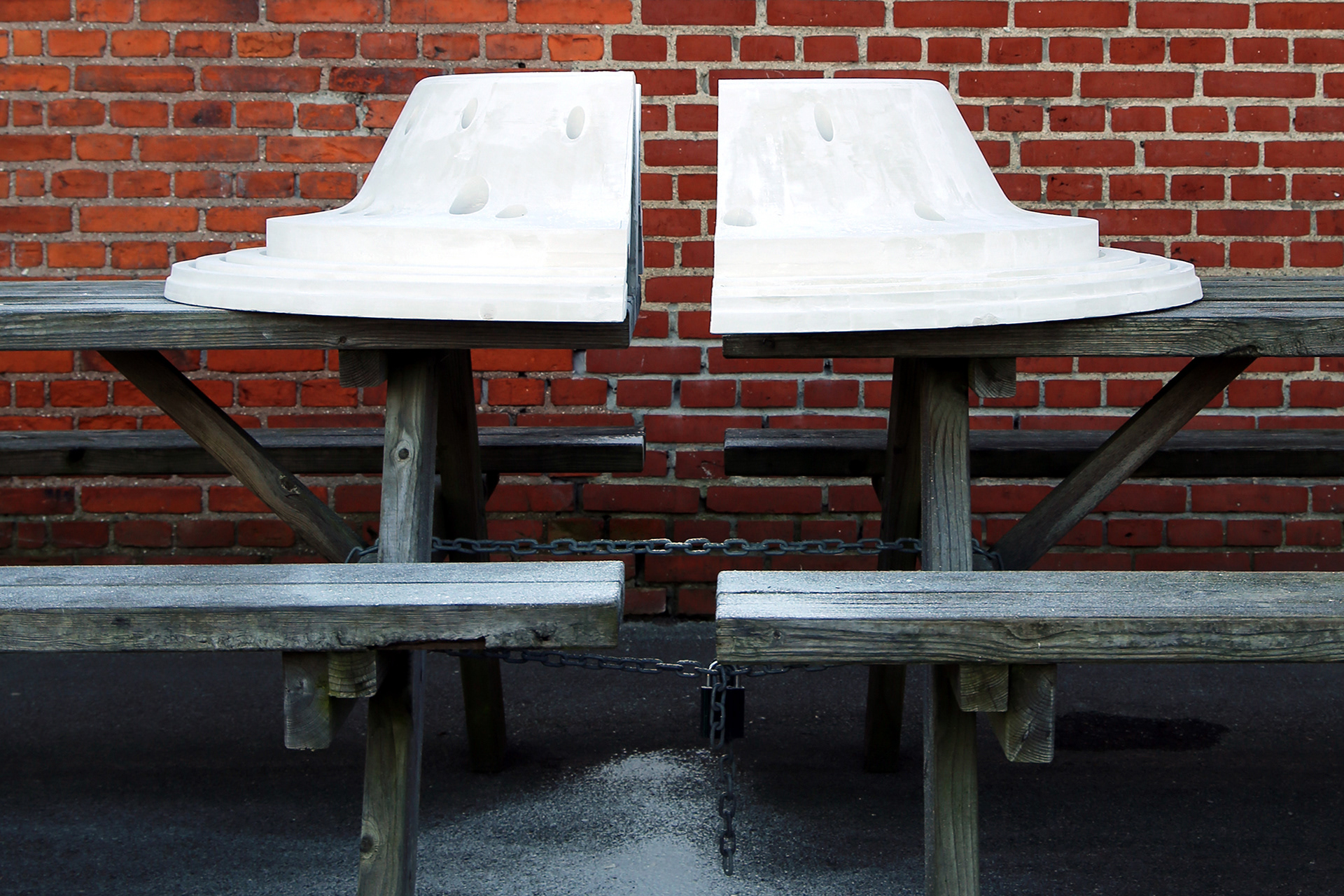
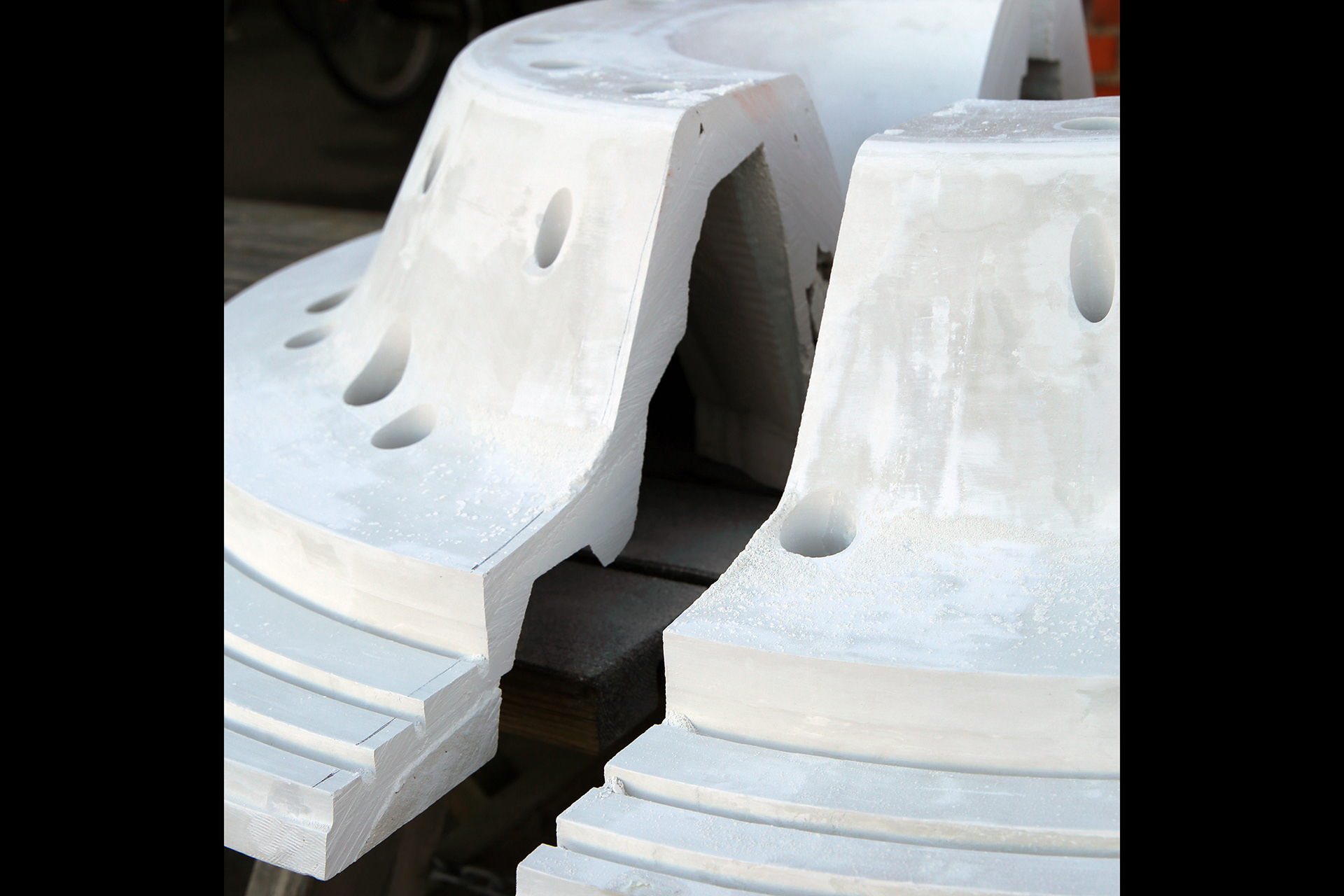
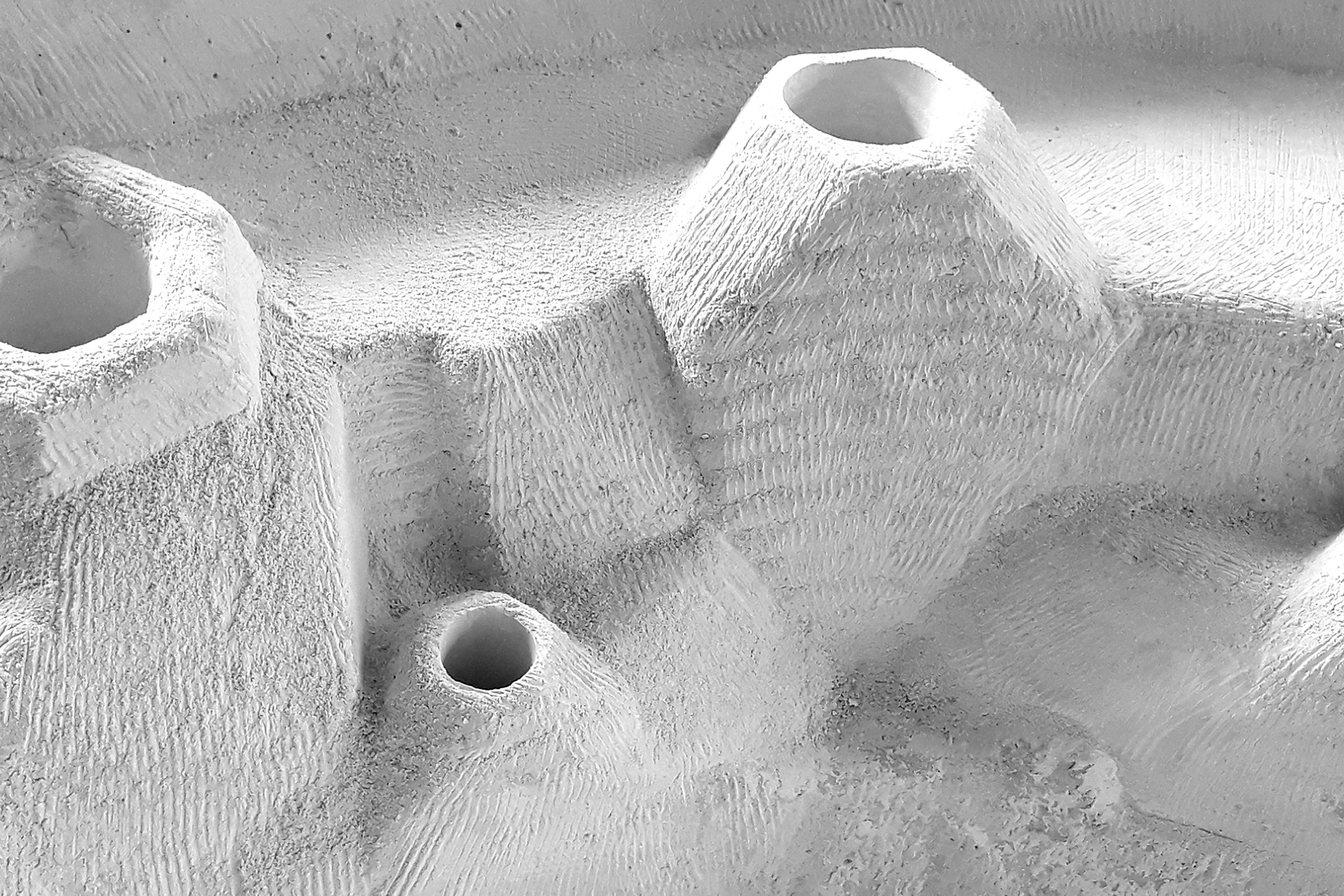
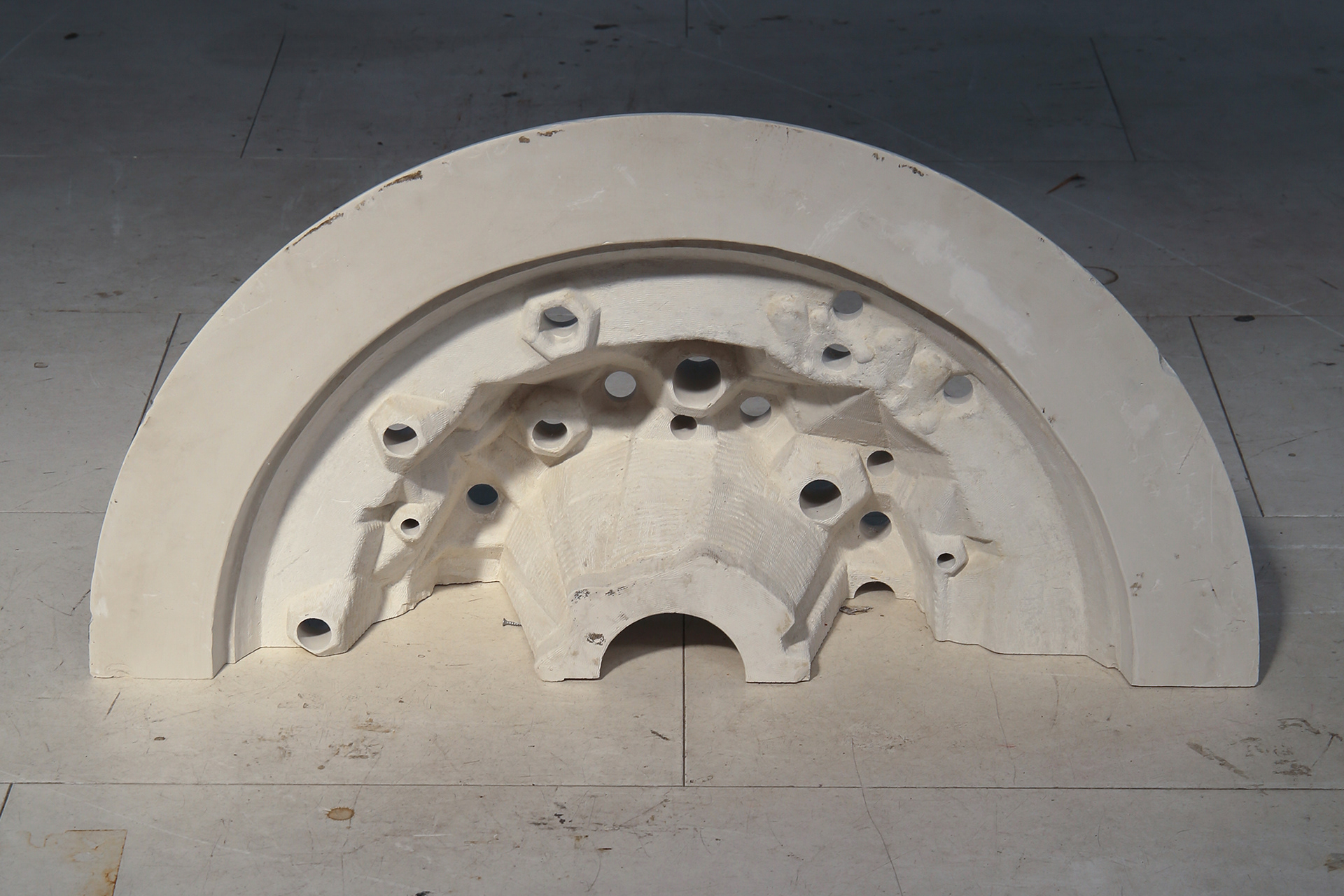
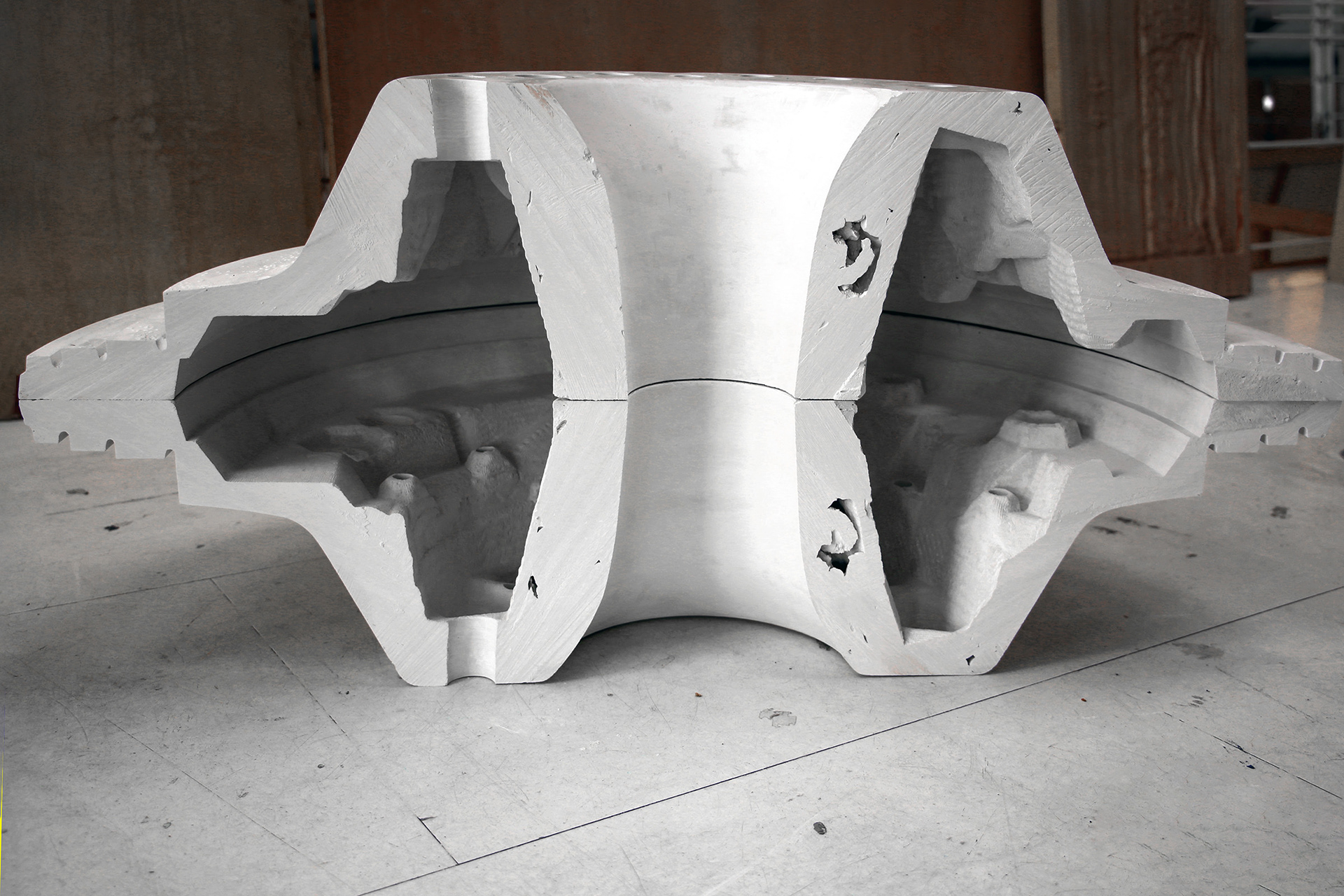
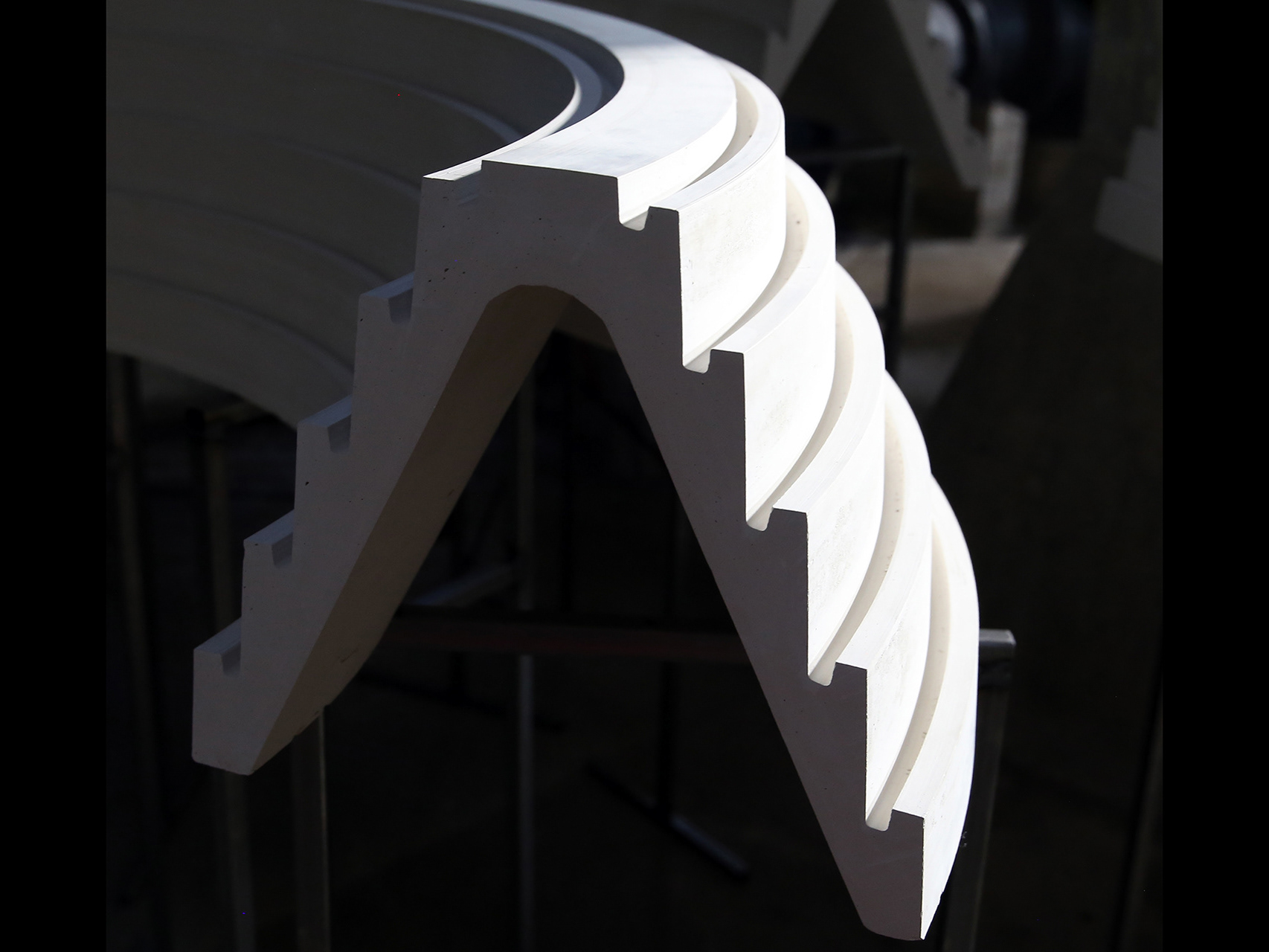
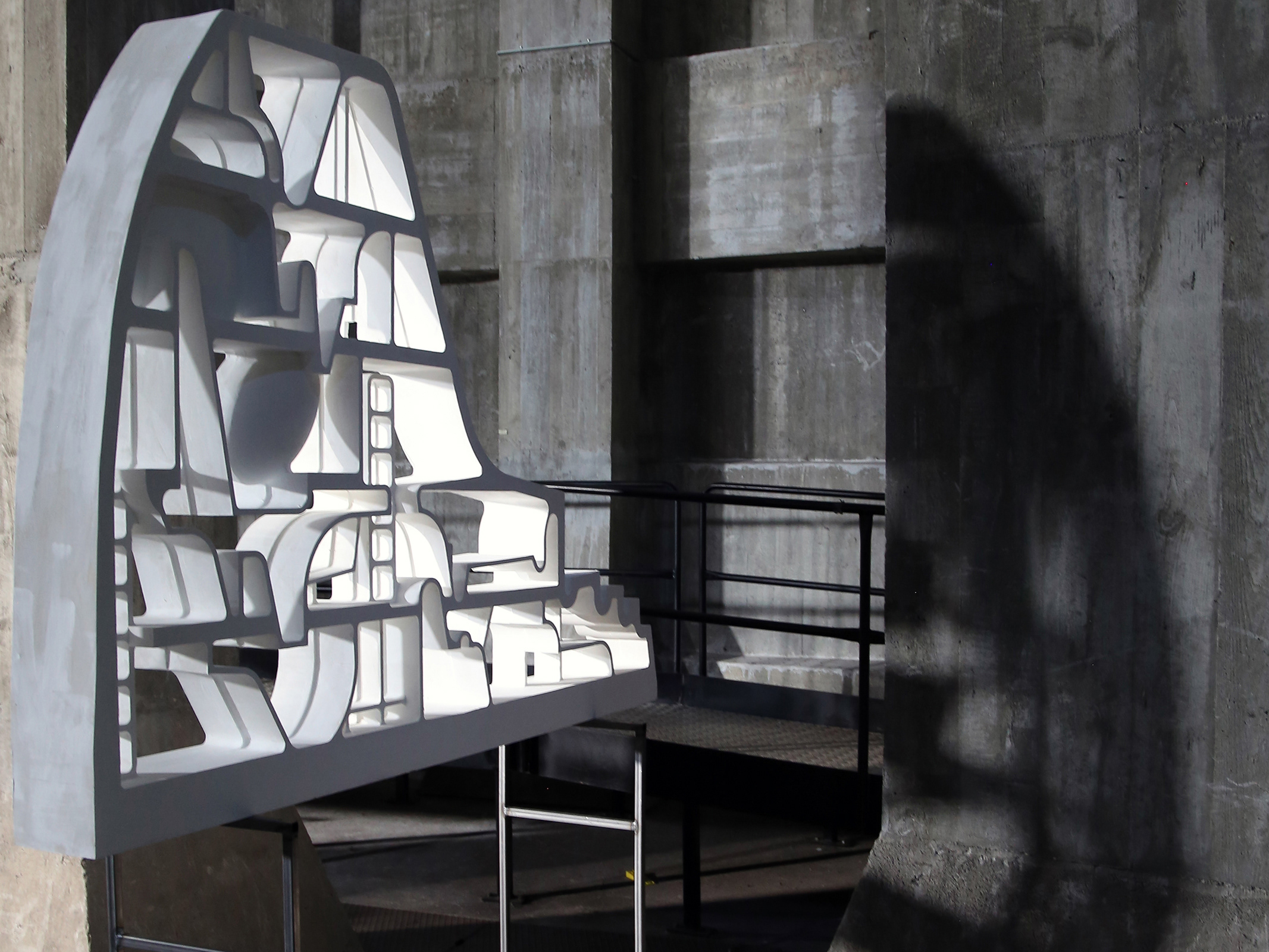
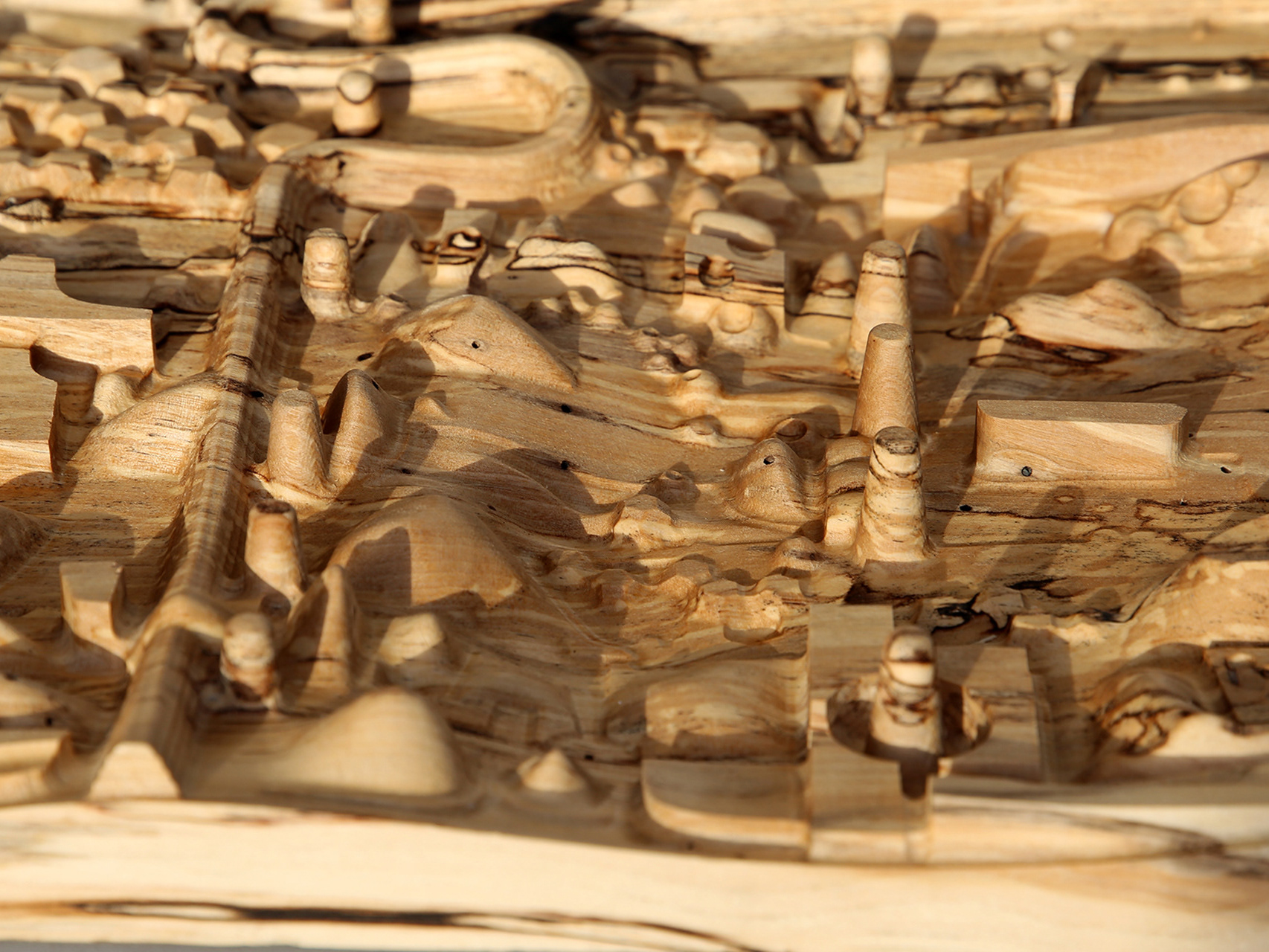
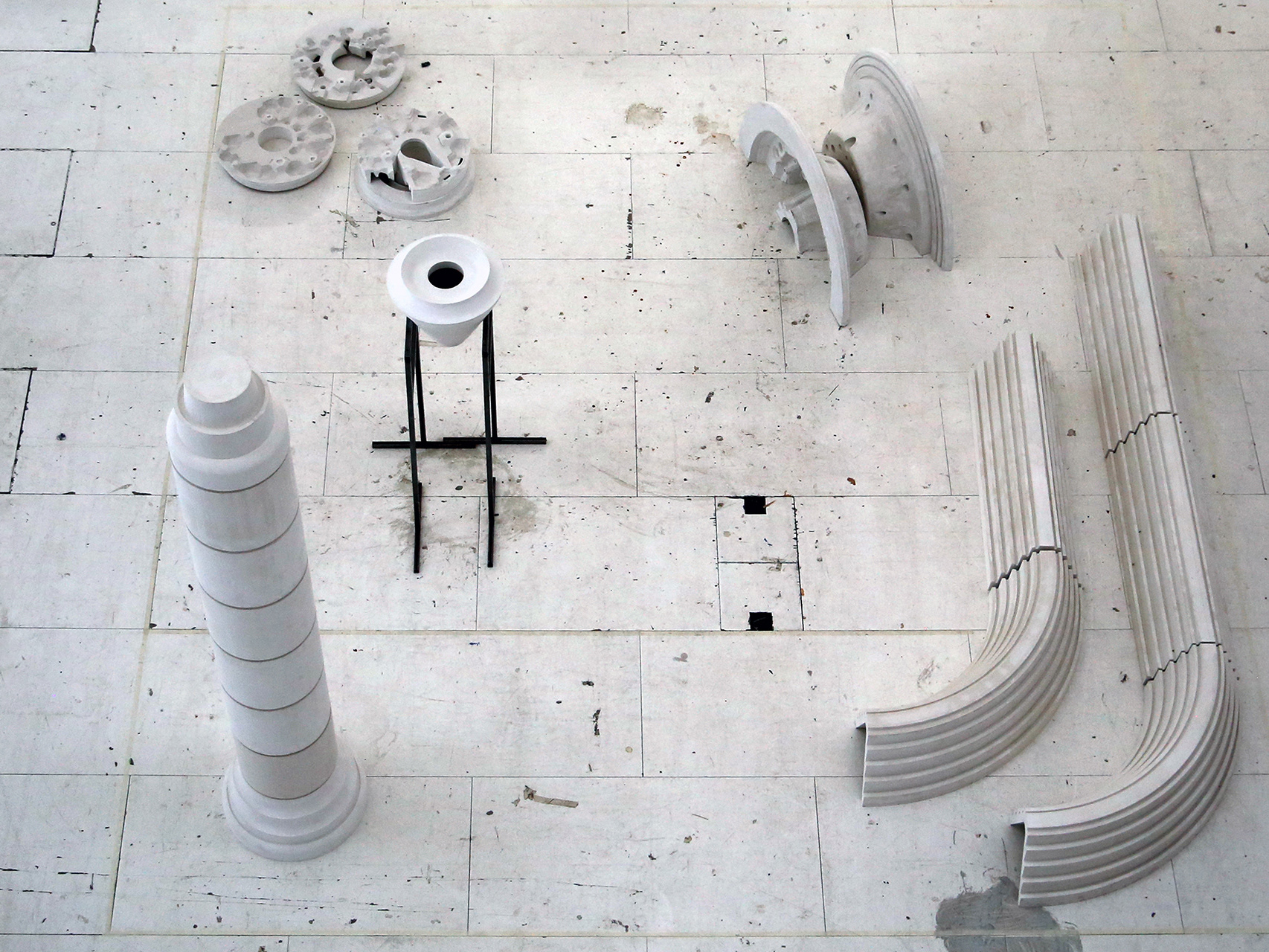
The principal model combines two fabrication processes: CNC milling and traditional plaster turning. It is an amalgamation of additive and subtractive logics, solid and void, above and below. Viewed directly and through a mirror, it can be read upwards or downwards. Its solid parts may be imagined as hollow and inhabitable, while its voids may be filled with water.
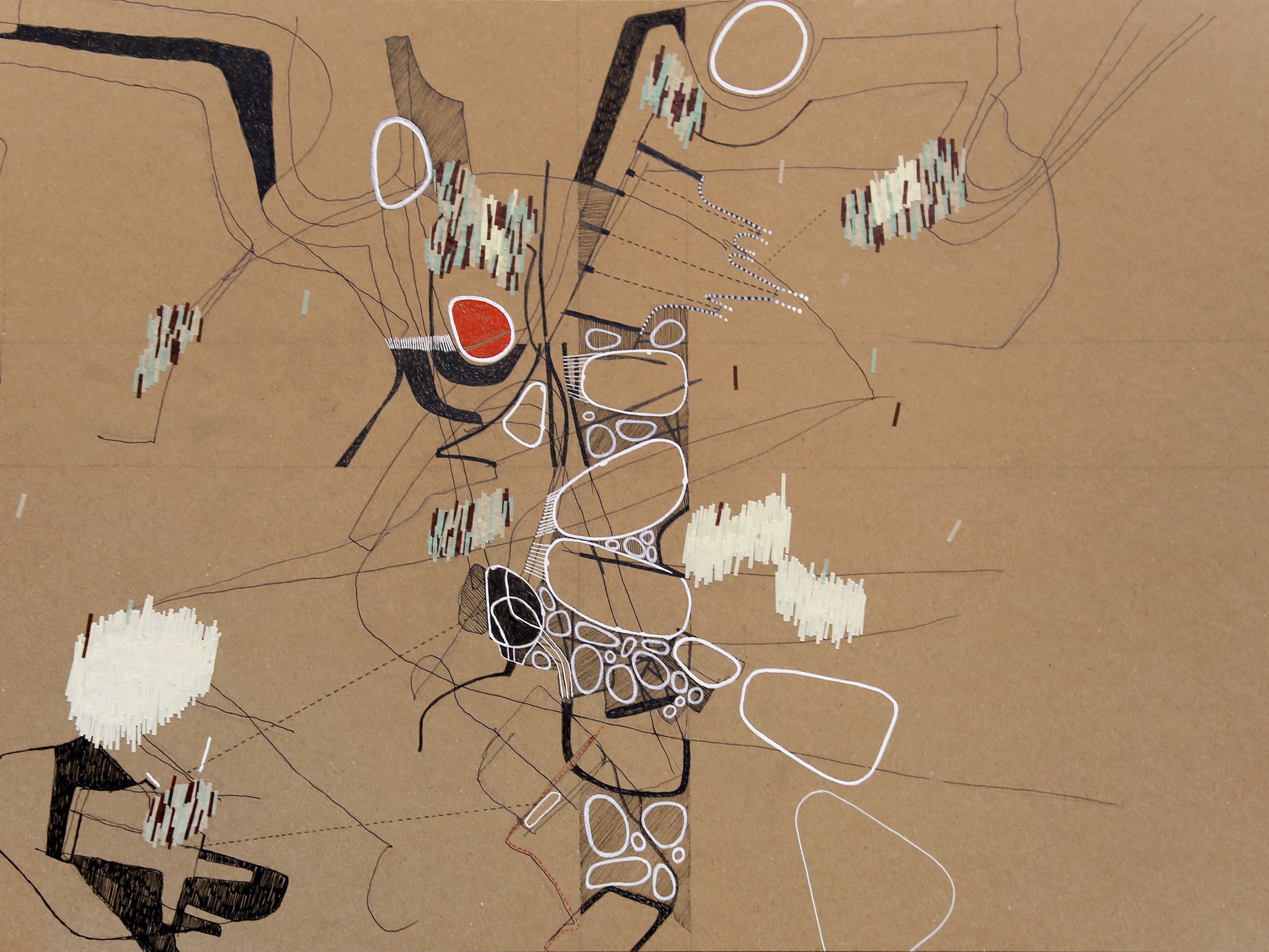
The drawings were likewise produced through an exchange. Passed back and forth between us, they were repeatedly altered, erased and disfigured. Each of us relinquished individual ownership, allowing the other to transform the work into a new state.
Nova Insula Utopia is both an island and a proposition for future inhabitation: part coral reef, part organism, part ruin and part construction. Its form remains open to the forces of nature, material and human interaction.